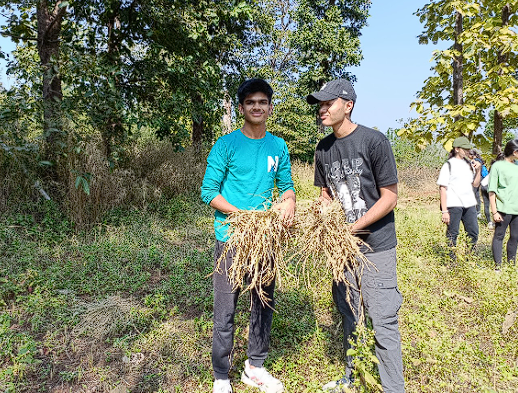
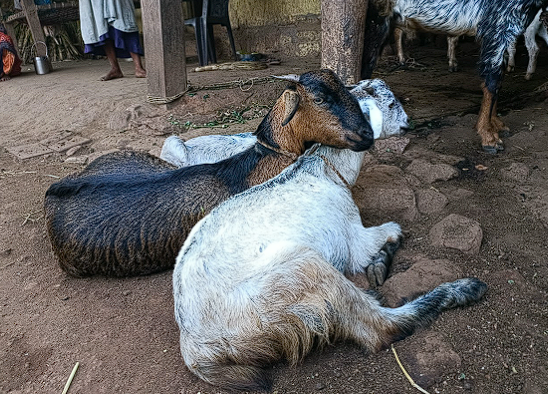
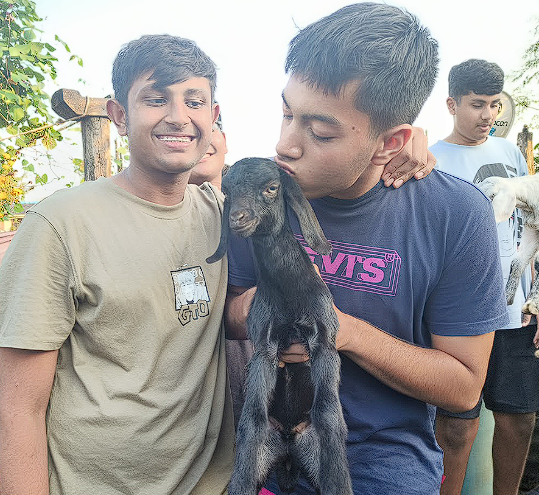
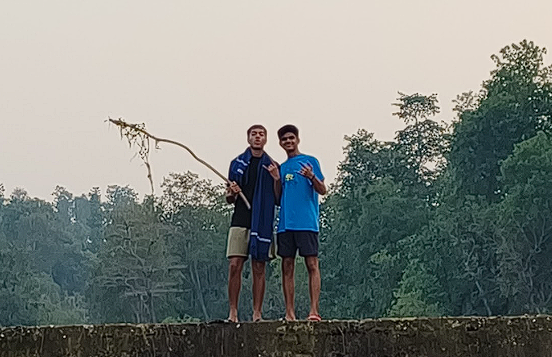
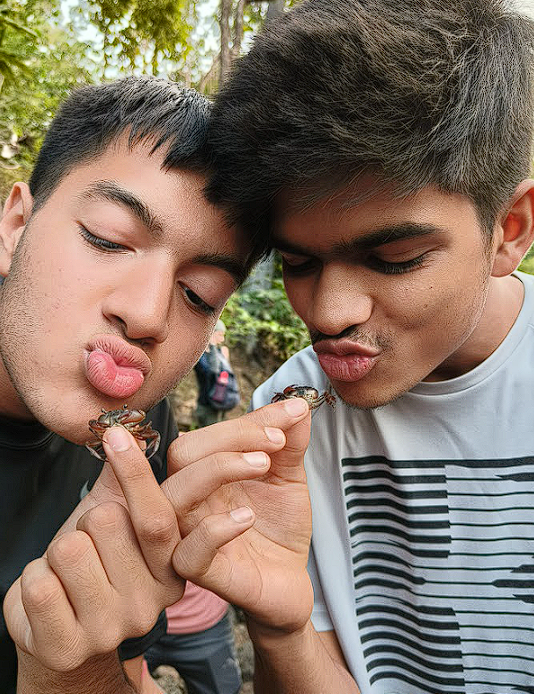
For my Rural Immersion trip to Mokhamal Dang, our goal was to gain a better understanding of rural life, culture, traditions and issues in the region. We visited local farms, a dam, hospital, taluka panchayat and learned about livelihoods like crab fishing. This exposed us to the realities of healthcare, infrastructure, agriculture and more in rural Dang.
LO 1: Identify own strengths and develop areas for growth
This experience allowed me to identify some of my strengths and areas for growth. I realized I am quite adaptable when put in unfamiliar situations, but I can be more independent. Witnessing lives much different than my own also helped me appreciate what I have. Going forward, I aim to strengthen my organizational skills which would have benefited planning for this trip. Overall, knowing one’s strengths and weaknesses is important for self-awareness and improvement.
LO 2: Demonstrate that challenges have been undertaken, developing new skills in the process
One of the biggest challenges was the basic living conditions and lack of amenities compared to urban life. It was an eye-opener but stepping out of my comfort zone helped me learn to be more resilient. I had not spent such prolonged time in a rural setting before. By persevering through difficulties like occasional lack of water or electricity, I was able to overcome small challenges. I also improved my communication skills by interacting with locals through translators. Facing new challenges helps one develop important life skills.
LO 3: Demonstrate how to initiate and plan a CAS experience
We had to plan logistics like travel, accommodation, activities and diet considerations for our group. As I am not usually the primary planner, it was a new experience for me. The most difficult part was coordinating schedules with various sites and villagers through our CAS advisors. While daunting at first, this experience gave me confidence that with guidance, I too can plan and initiate activities. Such skills are valuable for organizing community projects in the future.
LO 4: Show commitment to and perseverance in CAS experiences
Adapting to basic living and the physically strenuous aspects of farm work required determination. My commitment was tested on long travel days. By pushing through discomfort, I was able to fully immerse myself in the experience. Persevering aided in meaningful cultural exchanges and in developing empathy for challenges faced by villagers. Such qualities are important for succeeding in long-term goals and responsibilities.
LO 5: Demonstrate the skills and recognize the benefits of working collaboratively
Working with teammates and locals required patience and cooperation. Despite language barriers, collaborating on tasks like crab fishing was made smoother with teamwork. Taking various perspectives into account and compromise strengthened our group dynamics. I learned much can be accomplished through respectful collaboration. These lessons will help me work effectively in diverse environments later in life.
LO 6: Demonstrate engagement with issues of global significance
Witnessing issues like lack of healthcare access and financial difficulties brought global problems like poverty and inadequate infrastructure into local context. I now better understand how privileged urban communities are. This experience sparked my interest to explore sustainable solutions and gave me awareness that small local actions could collectively help reduce global disparities.
LO 7: Recognize and consider the ethics of choices and actions
Interacting with villagers exposed me to ethical issues surrounding development and cultural preservation. Balancing tradition and modernity is complex with arguments on both sides. My views did not necessarily change but became more nuanced understanding different perspectives. As future leaders, considering such ethical debates will be important for decision making.
Some key takeaways were developing qualities of open-mindedness, empathy and compassion through this insightful experience. Understanding rural realities better connects to concepts in subjects like sociology. This exposure may sway me to consider careers focused on community service or rural welfare. The highlight was bonding with villagers and gaining a glimpse into their resilient way of life. Overall, I feel this activity helped broaden my horizons which will aid my journey towards international mindedness.