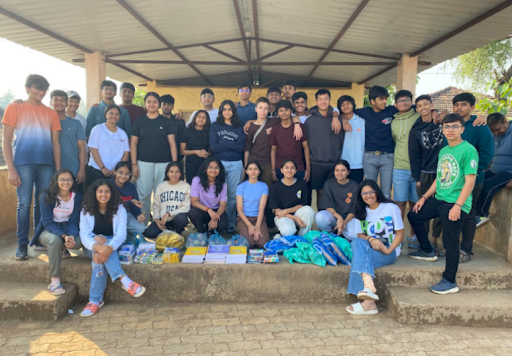
Our six-day trip to Mokhamal, Dang, was an eye-opening journey filled with unique experiences. From walking and stargazing to trekking and learning about rural life, every moment brought new insights. We explored the simple yet fulfilling lifestyle of the locals and gained a deeper understanding of their culture. The aim of the trip was to return home more aware, experienced, and enriched by what we had learned.
The most significant aspect of this experience was understanding the stark differences between urban and rural life. I realized how privileged we are and how often we take our resources for granted. Staying in a rural area for a week made me reflect on the abundance I have and how I could be more grateful. Witnessing the challenging conditions in which rural people live, yet seeing their unwavering smiles at the end of each day, was deeply moving. Their gratitude despite hardships taught me a valuable lesson about appreciating what I have.
Learning Outcomes
LO1: Identify your own strengths and develop areas for personal growth
During this trip, I learned a lot about myself and discovered capabilities I didn’t know I had. I gained knowledge about agriculture, basic survival skills in the wild, and efficient use of resources, all of which were incredibly enlightening. I also realized that I enjoy working with rural communities and am grateful for the opportunity to have done so. On the other hand, I noticed areas where I need improvement, such as patience. Agricultural activities like harvesting crops and grinding pulses require a great deal of perseverance, which I found challenging.
LO2: Demonstrate that challenges have been undertaken, developing new skills in the process
The trip was not without its difficulties. Adapting to a busy schedule filled with activities like farming, welding, and trekking was exhausting, and I experienced physical challenges such as back pain from farming tasks. Another major hurdle was the language barrier; the locals spoke “Dangi,†a dialect unfamiliar to me. However, I made an effort to understand their language and noticed similarities with Gujarati, which improved my communication skills and adaptability.
LO4: Show commitment to and perseverance in CAS experiences
This trip demanded significant dedication and perseverance. The physically taxing activities, unfamiliar landscapes, and cultural differences required consistent effort and enthusiasm. Despite these challenges, I embraced every opportunity to learn new skills. Waking up early to participate in farming or welding, and continuing to stay motivated despite the language barriers, showcased my commitment to making the most of this unique experience.
LO5: Demonstrate the skills and recognize the benefits of working collaboratively
Collaboration played a key role in many of our activities. During a visit to a local school, my friends and I divided ourselves into two groups—one handling games and the other managing cooking. I volunteered for the games group and took responsibility for teaching football to the children. Working as a team made the process smoother and more effective, allowing us to teach the children valuable skills while building strong bonds with them.
LO6: Demonstrate engagement with issues of global significance
The trip highlighted global issues such as poverty, lack of quality education, and poor sanitation. For the first time, I witnessed the struggles faced by rural schools and their impact on children’s lives. These challenges, which I had previously only read about, became real and personal. I realized the importance of addressing these issues to ensure students have access to a healthier, safer, and more enriching educational environment.
In conclusion, this trip was a transformative experience that allowed me to learn, grow, and develop a greater sense of gratitude. The opportunity to immerse myself in the culture and lifestyle of rural India was both humbling and inspiring. I left with a deeper understanding of my strengths, areas for improvement, and the importance of working collaboratively. The time spent with friends, the local community, and the tribal children, along with the trekking adventures, made this trip unforgettable.