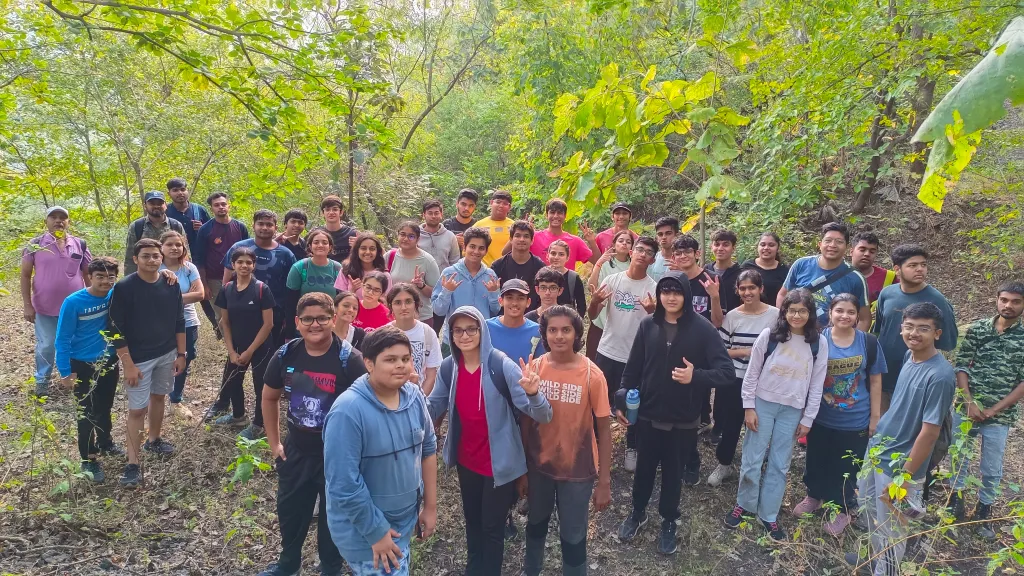
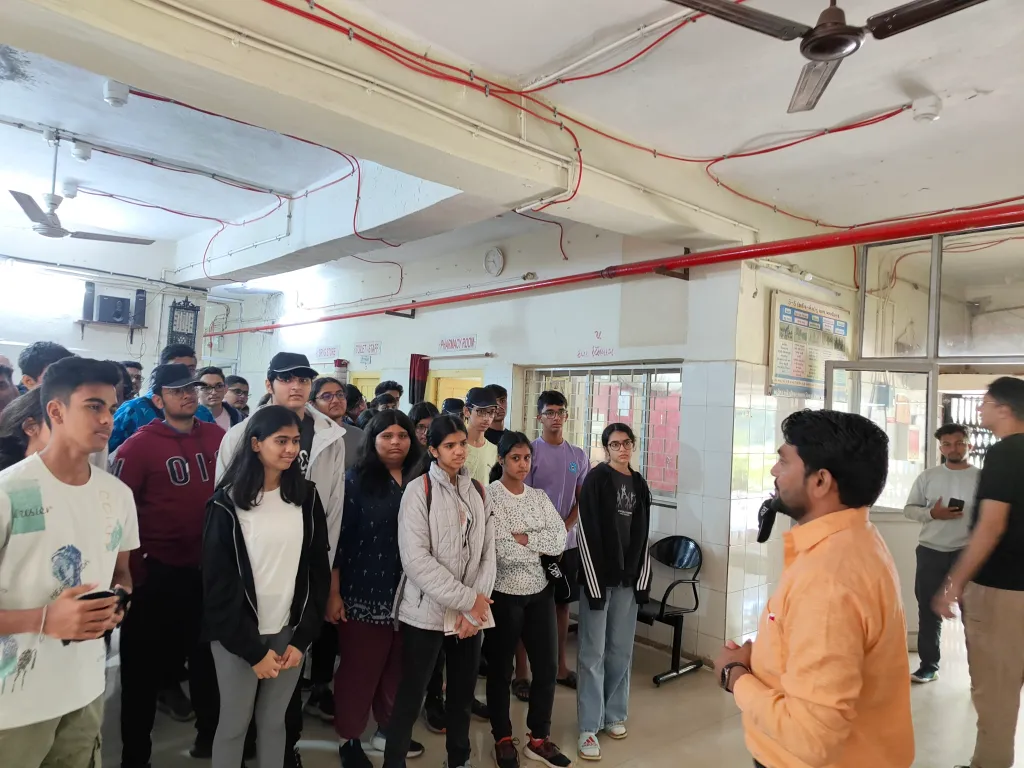
Spending a week in a rural community was an eye-opening journey that allowed me to experience life in its most authentic form. I engaged with diverse groups of people, including farmers, local government bodies like the gram panchayat, underprivileged children, and artisans. Each day was filled with meaningful activities such as helping with daily tasks like milking cows, cleaning animal shelters, plowing fields, harvesting crops, and even trying my hand at traditional crafts like pottery and basket weaving. The experience also extended beyond work as we ventured into nature through treks, explored ancient caves, and observed wildlife in their natural habitat, reconnecting with a way of life far removed from urban chaos.
I have always been driven by my curiosity to meet people from different walks of life. It fascinates me to understand their perspectives, empathize with their struggles, and learn from their resilience and gratitude. This experience deepened my appreciation for the simplicity of rural living and the connection with nature, a luxury that urban life often lacks.
LO4: Show perseverance and commitment in CAS experience
This experience demanded stepping out of my comfort zone, leaving behind the conveniences of my usual lifestyle, and embracing an entirely new routine for a week. Without access to modern comforts or the ability to work on personal tasks or academics, I demonstrated commitment to fully immerse myself in the rural lifestyle and the responsibilities that came with it.
LO6: Engagement with Issues of Global Significance Engagement with issues of global significanceÂ
The week allowed us to confront and understand several global issues through firsthand experiences: By visiting local schools and spending time with the children, we realized the impact of limited resources on their learning environment. Playing and teaching them games brought joy to their faces, highlighting how small efforts can make a difference. Observing the pivotal roles of women in the village, we learned about their financial independence and their contributions as decision-makers in households, challenging traditional stereotypes. The village’s use of renewable energy and environmentally friendly practices reflected their commitment to sustainability, even with limited resources.
LO7 – Recognise and consider the ethics of choices and actions.
This experience emphasized the need to reflect on our privileges and how our choices influence others. Seeing the villagers’ sustainable lifestyle highlighted the ethical importance of adopting practices that consider the broader impact on communities and the environment.
Sustainable Development Goals (SDGs)
Our activities on the trip aligned with several SDGs, including:
- SDG 4: Visiting schools and ashrams to understand their approach to education and the challenges they face.
- SDG 5: Learning about the empowerment of women as active contributors to household income.
- SDG 7 & 11: Observing the village’s innovative use of renewable energy and sustainable practices to build a more self-reliant and eco-friendly community.
Skills Developed
- Inquirer: Gaining insights into rural life by questioning and understanding how communities function.
- Communicator: Building meaningful interactions with people from different backgrounds.
- Open-minded: Embracing the village’s unique culture, traditions, and way of life without judgment.
- Reflective: Applying the lessons from this experience to my own life and understanding how privilege shapes opportunities.
This week in the village profoundly influenced my perspective on community, sustainability, and empathy. It reinforced the idea that happiness often comes not from abundance but from simplicity, gratitude, and connection with others.