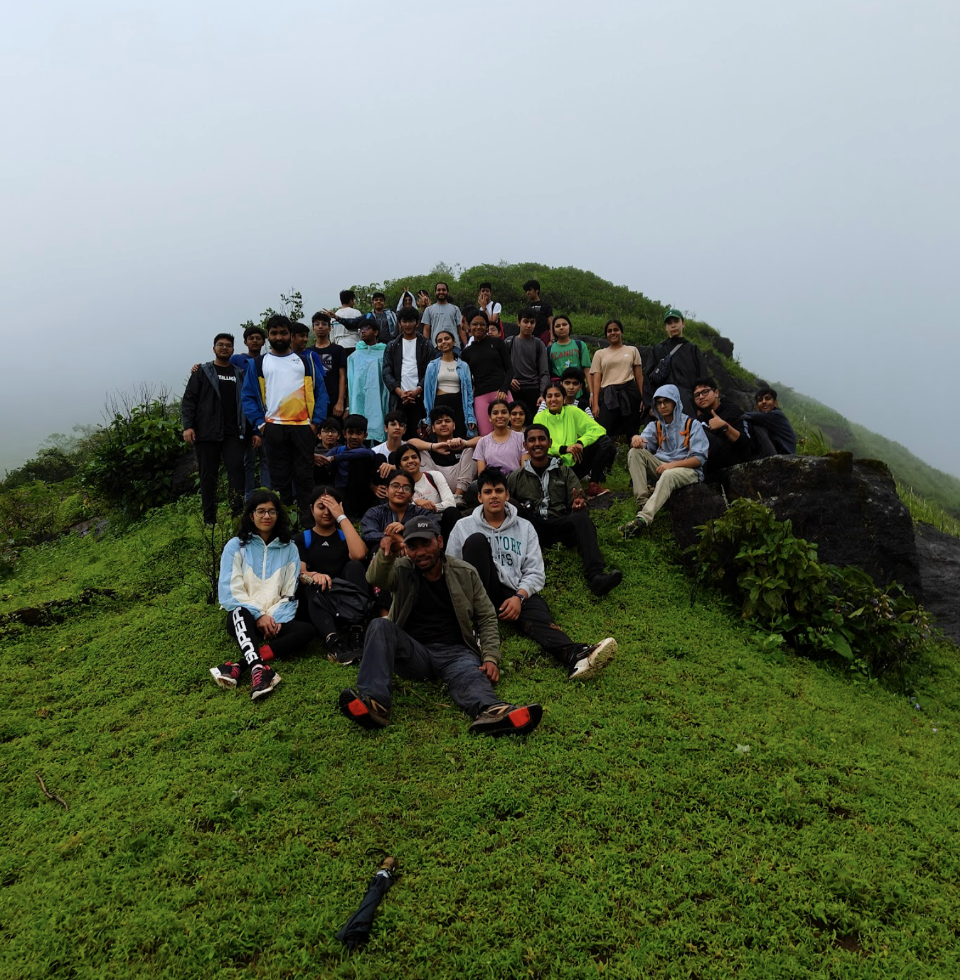
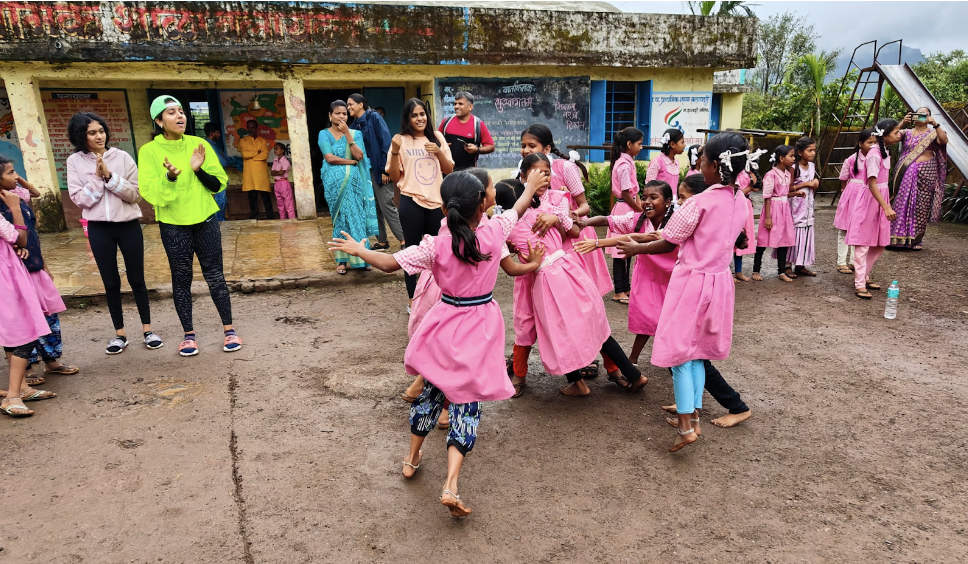
The 2 day trek was a 2 day trip that we had from school where we went to Igatpuri and had several treks. We had a few long treks and a few short treks and also interacted with the students in the local school. Spent a day doing community clean up where we went to a dam and cleaned all the trash that was there.
Goals:
Activity: We had treks where we tested our strengths and our ability to complete the trek in a given amount of time and also considering the weather was windy and rainy, it impacted on our journey but also helped in improving our strength.
Service: Spent a day with the students in the local school and played games with them which made their day. Formed connection with the students. Taught them games that we grew up learning.
LO1: Identify own strengths and develop areas for growth
Recognizing that I had good stamina that allowed me to trek for a good amount of time and manage time where we had to prepare games for the kids in school, these points allowed me to make informed decisions about areas needing improvement, particularly in time management, which impacted task efficiency during the trip. Engaging with underprivileged students demanded adaptability and effective communication, highlighting the importance of resilience and adaptability. I also discovered leadership skills during group activities, which could prove beneficial in future team projects.
LO4 – Show perseverance and commitment in CAS experience
A significant part of the experience was the trash pickup near the dam, which required sustained commitment and perseverance. The task was physically demanding, as we had to climb numerous stairs and navigate challenging terrain while carrying bags of waste. It wasn’t just about completing the task but about consistently maintaining a focus on the environmental impact. This activity highlighted the importance of taking responsibility for our surroundings and seeing the process through, despite discomfort or obstacles. The effort to keep the area clean reinforced the value of dedication, as it contributed to both the local environment and our own growth, teaching us that perseverance can lead to tangible, positive change.
LO5 demonstrate skills and benefits of working collaboratively
Working collaboratively during the trek, particularly during the cleanup at the dam, brought out the importance of teamwork in achieving shared goals. While the overall experience was smooth, there were moments of disagreement about how best to divide tasks or which areas to focus on first. These instances underscored the need for clear communication, active listening, and the ability to compromise in order to move forward efficiently. This collaboration also had clear benefits: tasks that would have been overwhelming for an individual became manageable through teamwork. The experience taught me that while challenges in group work are inevitable, effective collaboration not only helps overcome them but also enhances the overall outcome by combining strengths and diverse ideas.”
LO6 – Engagement with issues of global significance.
Engaging with the local community during our trek experience brought attention to several global issues, including education quality and inequality. As we interacted with the locals, it became clear that many faced challenges related to limited access to quality education, which is a global issue affecting millions. Witnessing these disparities firsthand was eye-opening and emphasized the broader, worldwide struggle for equal opportunities in education. This experience sparked a deep motivation to contribute positively, whether through raising awareness, volunteering, or advocating for change. The inequality we observed in this small village reflected larger societal issues, reminding me of the interconnectedness of global problems and the importance of taking action, even at the local level. It reinforced the idea that addressing such challenges requires collective efforts, and even small initiatives can help pave the way toward positive change on a larger scale.
LO7 – Recognise and consider the ethics of choices and actions.
Ethical considerations played a crucial role throughout our CAS experience, particularly in ensuring that our actions were respectful of the local culture and in the best interests of the community. Before engaging in activities like interacting with the villagers or cleaning the dam area, we took care to understand the cultural norms and practices of the local population to avoid unintentionally causing offense. For example, when communicating with the villagers, we made sure to approach them respectfully, mindful of their way of life and traditions.
Developing attributes of being open-minded and a risk-taker, this experience resonated with academic interests, connecting to the broader impact of global issues. Witnessing the impact on underprivileged students was a highlight, reinforcing commitments to contributing positively to society.
Learning from the experience included perseverance, effective communication, and adaptability, all relevant to future endeavors. Reflecting, I would improve time management for better task organization. Moving forward, I aim to continue engaging in activities promoting education and reducing inequality, contributing positively to the community.