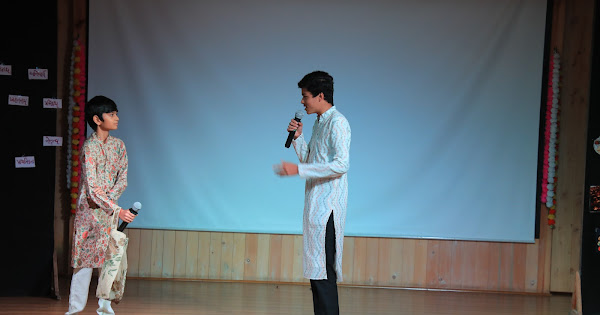
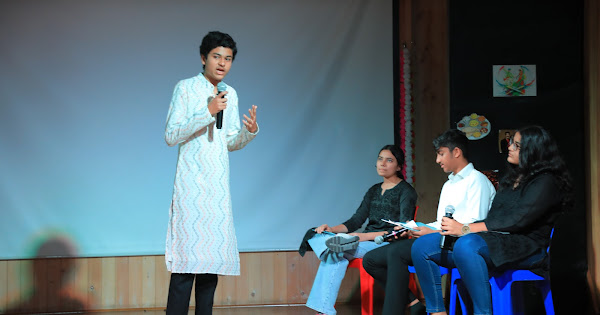
For my CAS project, I was involved in organizing and performing in a Gujarati skit for my school’s annual Mother Tongue event. This was an opportunity for students from various cultural backgrounds to celebrate their heritage through performances, food, and cultural presentations.
In the planning stages, my friends and I brainstormed ideas for a short skit that would help educate our peers about Gujarati culture and language. We decided on a comedic scene set in a typical Gujarati household. We spent time researching traditions and phrases so that we could incorporate them authentically into our skit. I took the lead in coordinating our rehearsal schedule so that we could perfectly time the comedic elements.
Leading up to the performance, I was a bit nervous about performing a skit in Gujarati in front of my whole school. While I speak Gujarati at home, public speaking in any language was new for me. However, I was determined to represent my culture proudly through this opportunity. On the day of the event, I was pleased that our hard work paid off – the skit received big laughs and helped our audience learn something new.
Learning Outcome 1: Identify own strengths and develop areas for growth
Participating in the Gujarati skit allowed me to better understand my own strengths and areas for improvement. Through the planning and rehearsal process, I recognized my organizational and leadership skills, as I was able to effectively coordinate the group’s efforts. However, I also identified public speaking as an area I needed to develop further, as I felt quite nervous about performing in front of the whole school. This experience has motivated me to continue seeking out opportunities to build my confidence in this area.
Learning Outcome 2: Demonstrate that challenges have been undertaken, developing new skills in the process
Organizing and performing a Gujarati skit for the Mother Tongue event was a new challenge for me. In the planning stages, my friends and I had to brainstorm ideas, research cultural elements, and coordinate a rehearsal schedule. This required developing new skills in leadership, time management, and creativity. While I was initially nervous about public speaking in Gujarati, I pushed myself to take on this unfamiliar experience.
Learning Outcome 5: Demonstrate the skills and recognize the benefits of working collaboratively
Working with my group members to bring the Gujarati skit to life allowed me to develop my collaborative skills. We had to make decisions together, delegate tasks, and provide feedback to each other during rehearsals. This collaborative process highlighted the benefits of working as a team, as we were able to create a polished final product that showcased our cultural heritage.
Learning Outcome 6: Demonstrate engagement with issues of global significance
Performing the Gujarati skit at the Mother Tongue event was an opportunity to share my cultural identity with the broader school community. By educating my peers about Gujarati traditions and language, I was able to foster greater global awareness and appreciation for diversity. This experience allowed me to represent my heritage proudly and contribute to a celebration of the various cultures present in our school.
On a personal level, preparing the skit gave me confidence in my bilingual abilities. While performing was nerve-wracking at first, seeing the positive reaction from the audience boosted my self-esteem. I’m glad I pushed myself out of my comfort zone. This newfound courage to represent my culture publicly will be useful when I leave school. Overall, the Mother Tongue event was a fun and rewarding way for me to complete my CAS hours while engaging with my identity. I’m proud of what I contributed and learned through this experience.