A Transformative Journey to Kada Dam
Our eagerly awaited trip to Kada Dam in Jambughoda began with an energetic bus ride filled with laughter and excitement. After a quick stop for breakfast, we reached our destination, settled into our rooms, and prepared for the thrilling experiences ahead.

Day 1: Embracing Rural Life
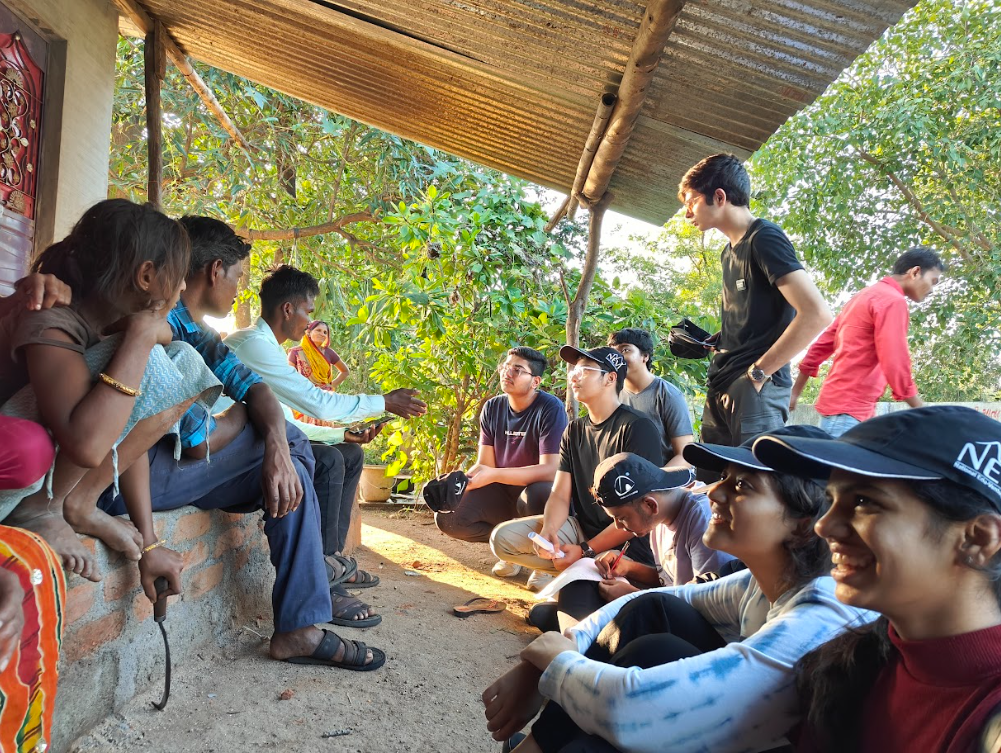
We started with a visit to a nearby village, where the warm hospitality and resilience of the locals left a lasting impression. Despite their challenges, they greeted us with optimism and patience, teaching us that perseverance and discipline lead to meaningful outcomes. This visit allowed me to recognize my ability to empathize with others (LO1: Identify own strengths and develop areas for growth) while also highlighting the need to improve my patience in unfamiliar situations.
Later that evening, we embarked on a night trek through the forest to the dam. Walking through the darkness was both thrilling and nerve-wracking, but it taught us to remain calm and composed under pressure. Along the way, we learned about the importance of wildlife conservation and protecting nature’s delicate balance (LO2: Demonstrate that challenges have been undertaken, developing new skills in the process). The day ended around a campfire with ghost stories, laughter, and bonding—a perfect start to our journey.
Day 2: New Experiences and Perspectives
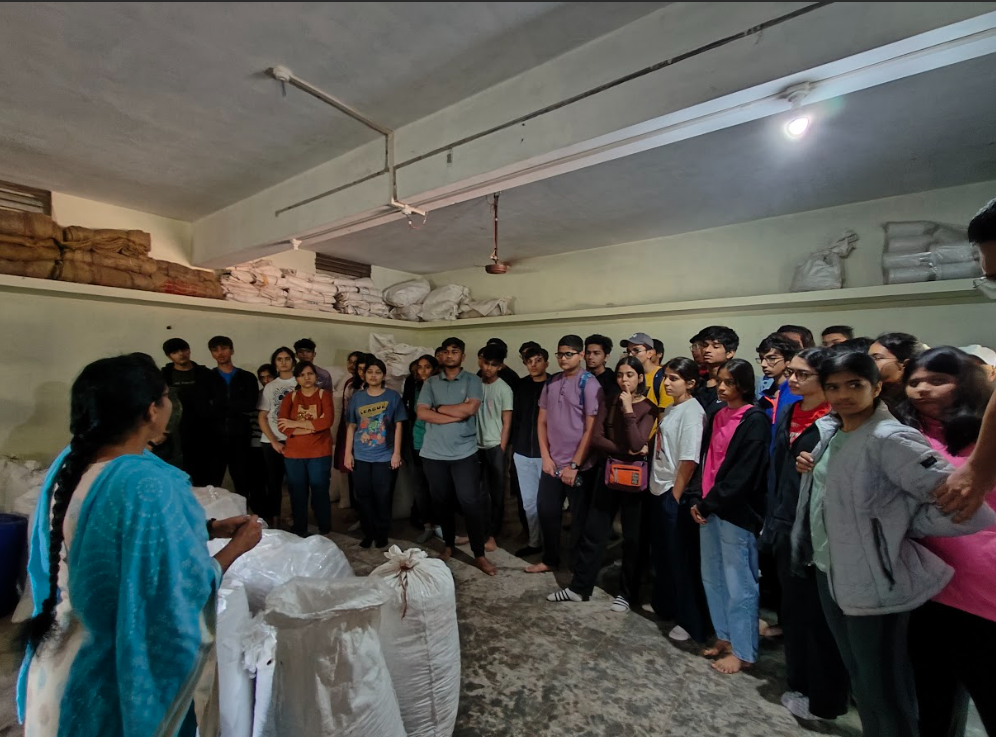
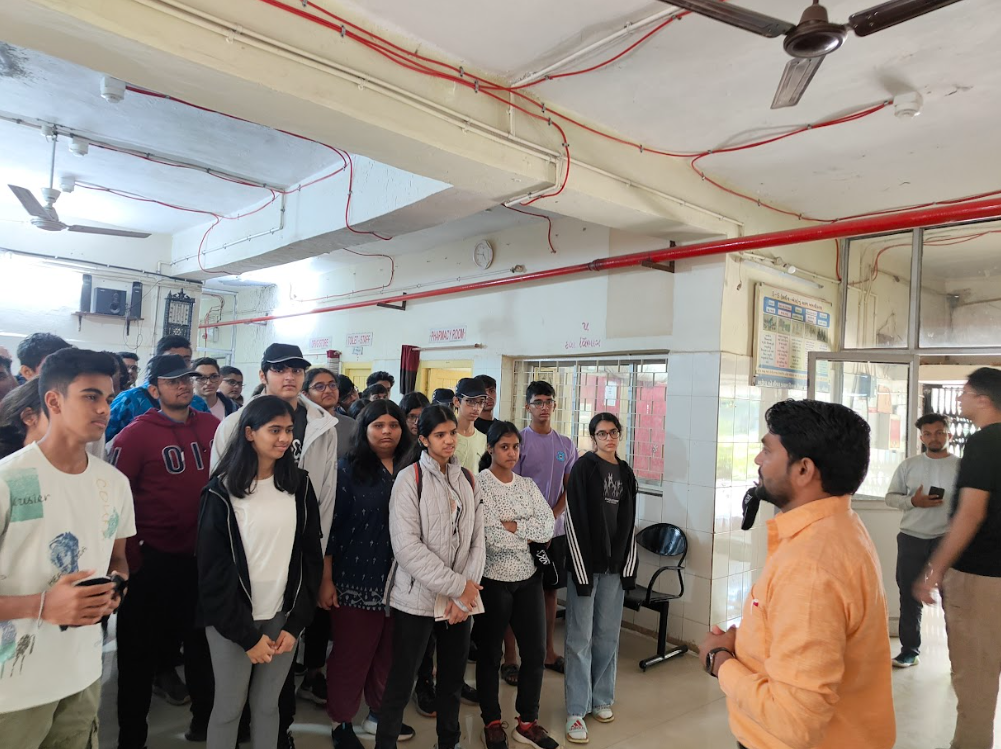
The second day began with bird-watching at sunrise, followed by a visit to another village. At a local hospital, we learned about the community’s fight against sickle cell disease, a stark reminder of the healthcare inequalities faced by rural areas (LO6: Demonstrate engagement with issues of global significance). This experience deepened our understanding of the need to address these gaps and support equitable healthcare access.
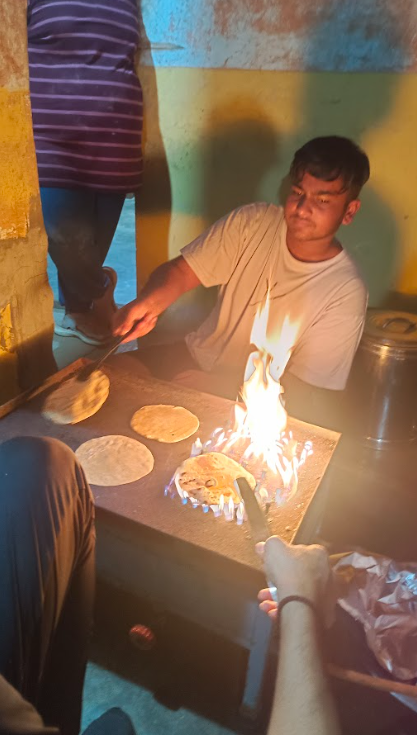
We later explored pottery, a skill that required patience and perseverance (LO4: Show commitment to and perseverance in CAS experiences). Though challenging, the joy of creating something with our hands was immensely rewarding. In the evening, we worked together to prepare dinner, which strengthened our teamwork and communication skills (LO5: Demonstrate the skills and recognize the benefits of working collaboratively).
Day 3: Building Connections
On the third day, we visited a local school, where we played games and danced with the children. Their joy and enthusiasm were contagious, and we felt proud to contribute to their happiness. This visit also reminded us of the importance of being respectful and thoughtful in our interactions (LO7: Recognize and consider the ethics of choices and actions).

Later, we explored the village market and visited a cowshed, gaining a deeper appreciation for the simplicity and challenges of rural life.
Day 4: Immersing in Farming
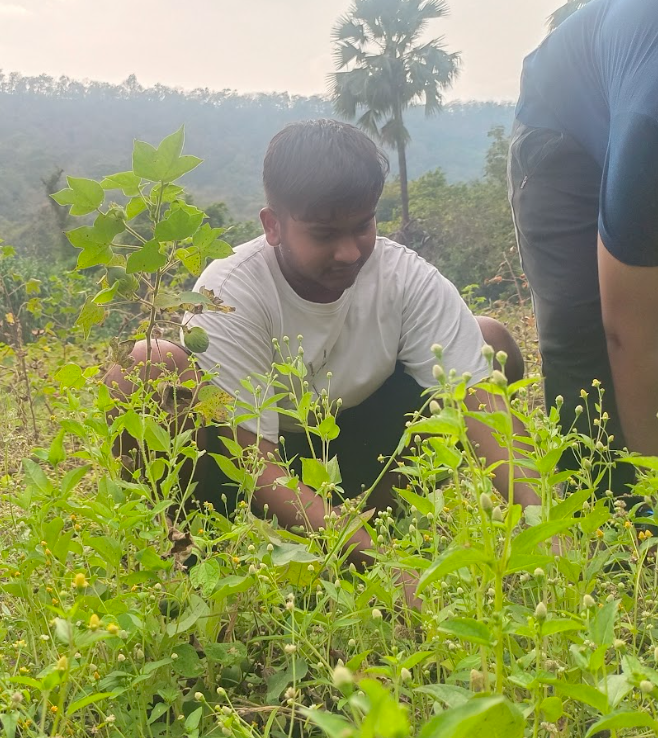
The fourth day was all about experiencing farm life firsthand. We plowed fields, sowed seeds, watered crops, and even harvested produce. This gave us a newfound respect for the effort and dedication that farming requires (LO2: Demonstrate that challenges have been undertaken, developing new skills in the process).
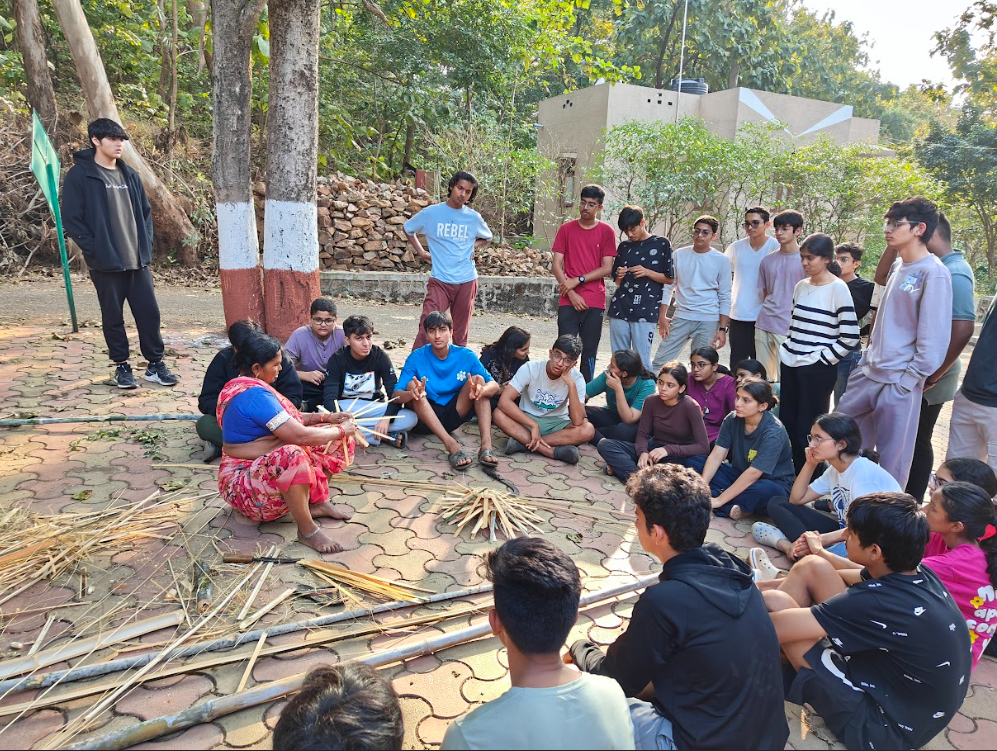
We also tried our hand at basket weaving and painted a school, both of which required careful planning and collaboration (LO3: Demonstrate how to initiate and plan a CAS experience). These activities helped us adapt to new tasks and work effectively as a team.
Day 5: Adventure in the Wilderness
The fifth day took us on an adventurous trek through forests, caves, and mountains. Holding snakes and learning about them from our guide challenged us to step out of our comfort zones (LO2: Demonstrate that challenges have been undertaken, developing new skills in the process).
That evening, we enjoyed a stunning view of a star-lit sky, free from city lights. Watching shooting stars was a magical moment that left us in awe of nature’s beauty.
Day 6: A Grand Finale
Our final day was packed with excitement. We tried zip-lining and the flying fox, activities that required teamwork to set up and execute (LO5: Demonstrate the skills and recognize the benefits of working collaboratively).
The highlight of the day was an unplanned visit to a site where wild tigers, known for hunting humans, were kept. Observing these majestic animals up close sparked thoughtful discussions about the ethical complexities of wildlife conservation (LO7: Recognize and consider the ethics of choices and actions).
Reflections and Lessons
As we made our way back, we reflected on the unique experiences and valuable lessons from the trip. From campfire stories and team activities to meaningful interactions with the local community, this journey was more than just an adventure. It deepened our friendships, broadened our perspectives, and left us with memories to cherish for a lifetime.