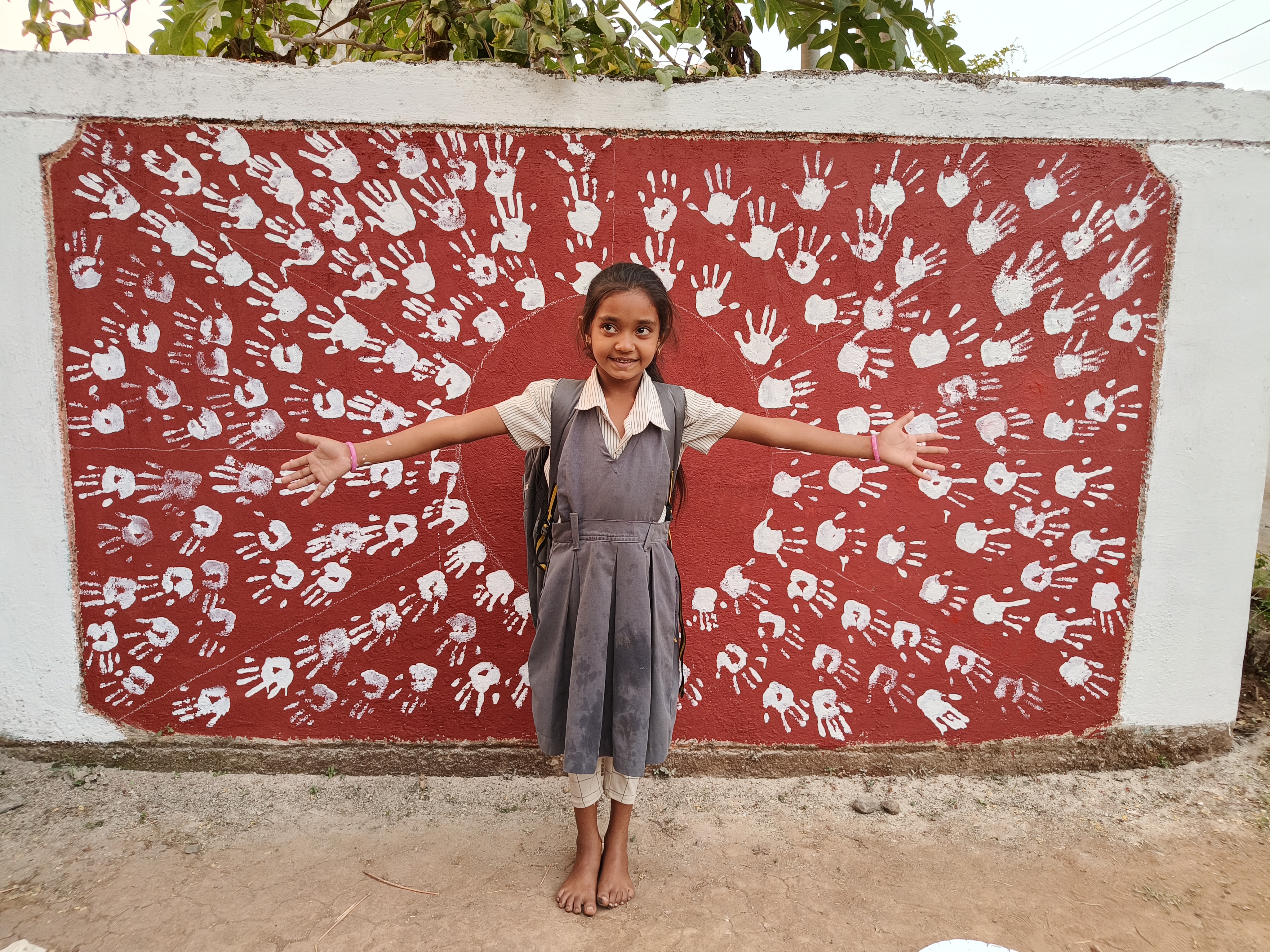
During the 6-day CAS Experience in a rural town in southern Gujarat, I engaged in various activities focusing on Creativity, Activity, and Service. The goals were to understand and contribute to the local community, explore different aspects of rural life, and apply creativity in addressing issues like quality education. Living at the Bharat Agriculture and Industrial Foundation Campus, I participated in activities such as skit performances, working on a farm, painting school walls with Warli Art, and interacting with local tribes. The experience aimed to fulfil the CAS strands, particularly emphasise Creativity, Activity, and Service, with a focus on Sustainable Development Goals.
I identified strengths in adaptability, teamwork, and creativity. Recognizing weaknesses in time management and patience, I now understand the importance of acknowledging these areas for growth. Knowing one’s strengths is crucial for leveraging them effectively, while recognizing weaknesses allows for targeted personal development. Overcoming impatience, especially in collaborative projects, would enhance my efficiency. Challenges were present in tasks like de-weeding and harvesting turmeric, unfamiliar activities requiring physical exertion. Overcoming these challenges developed skills in perseverance, physical endurance, and agricultural knowledge. Undertaking such challenges for the first time allowed me to discover new skills, such as practical farming techniques. This newfound knowledge could be valuable in the future, fostering self-confidence and a sense of accomplishment. The difficulty in manual labour on the farm demanded commitment and perseverance. Overcoming physical exhaustion and discomfort contributed to personal growth. Commitment was essential to completing tasks, emphasising the importance of dedication. This experience reinforced the idea that commitment and perseverance are vital for achieving goals, even in challenging circumstances. Working collaboratively was generally easy, but challenges arose when coordinating with diverse team members. The importance of effective communication and adaptability became apparent. Dealing with difficulties enhanced interpersonal skills, emphasising the importance of teamwork and leadership. This experience highlighted the significance of collaboration in achieving common goals, a skill crucial in various aspects of life. Engaging with the local community shed light on global issues like economic disparities, the need for quality education, and sustainable agricultural practices. Understanding these issues on a grassroots level emphasised their global relevance. The experience fostered a sense of responsibility towards addressing these issues, contributing to personal growth and awareness.
Engaging with the local community required empathy and respect for their way of life, fostering compassion for their challenges. Exploring the local culture and economic conditions sparked genuine inquiries about societal structures, leading to a deeper understanding. The CAS activities, particularly the skit and Warli Art, encouraged creative thinking, while overcoming challenges demanded critical thinking Ethical considerations, such as promoting quality education, contribute to developing principled values and a sense of responsibility. Undertaking unfamiliar tasks like farm work involves both intellectual and physical risk-taking, creating a supportive environment for learning and growth.
This CAS experience cultivated the learner profile attributes of being Open-Minded, Thinkers, Risk-Takers, Reflective, Communicators, Balanced, and Inquirers. The connection between this experience and my goal of becoming an Aerospace Engineer lies in the broader perspective gained about societal challenges, fostering a holistic understanding. The highlight was the realisation that my actions, even in a small rural town, contribute to a global narrative. The activity’s success brought a sense of accomplishment, and the lessons learned will be applied in promoting community welfare and sustainable practices in the future. In conclusion, this CAS experience was transformative, providing insights into rural life, fostering personal growth, and aligning with broader goals of societal contribution and sustainable development.


