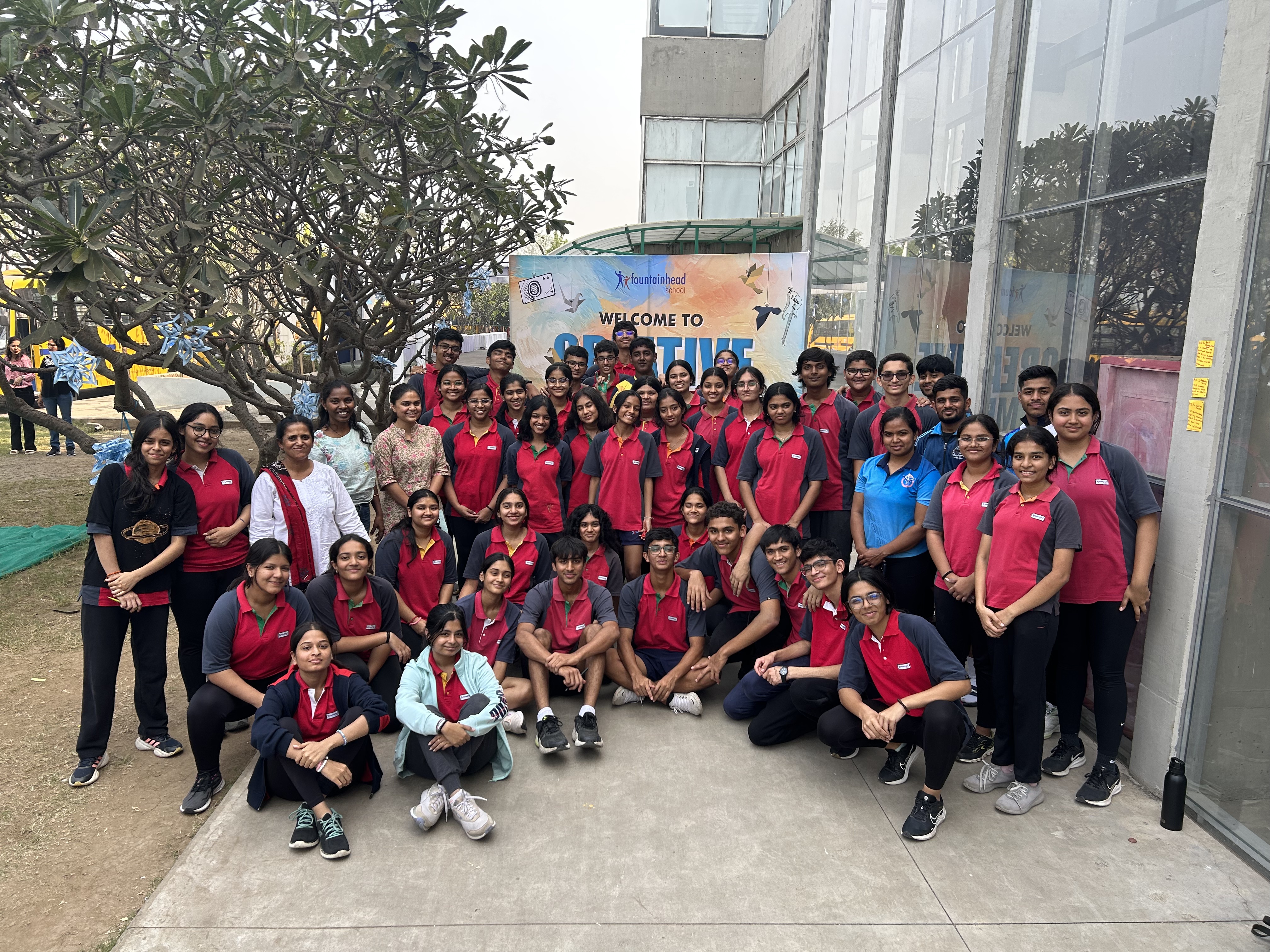
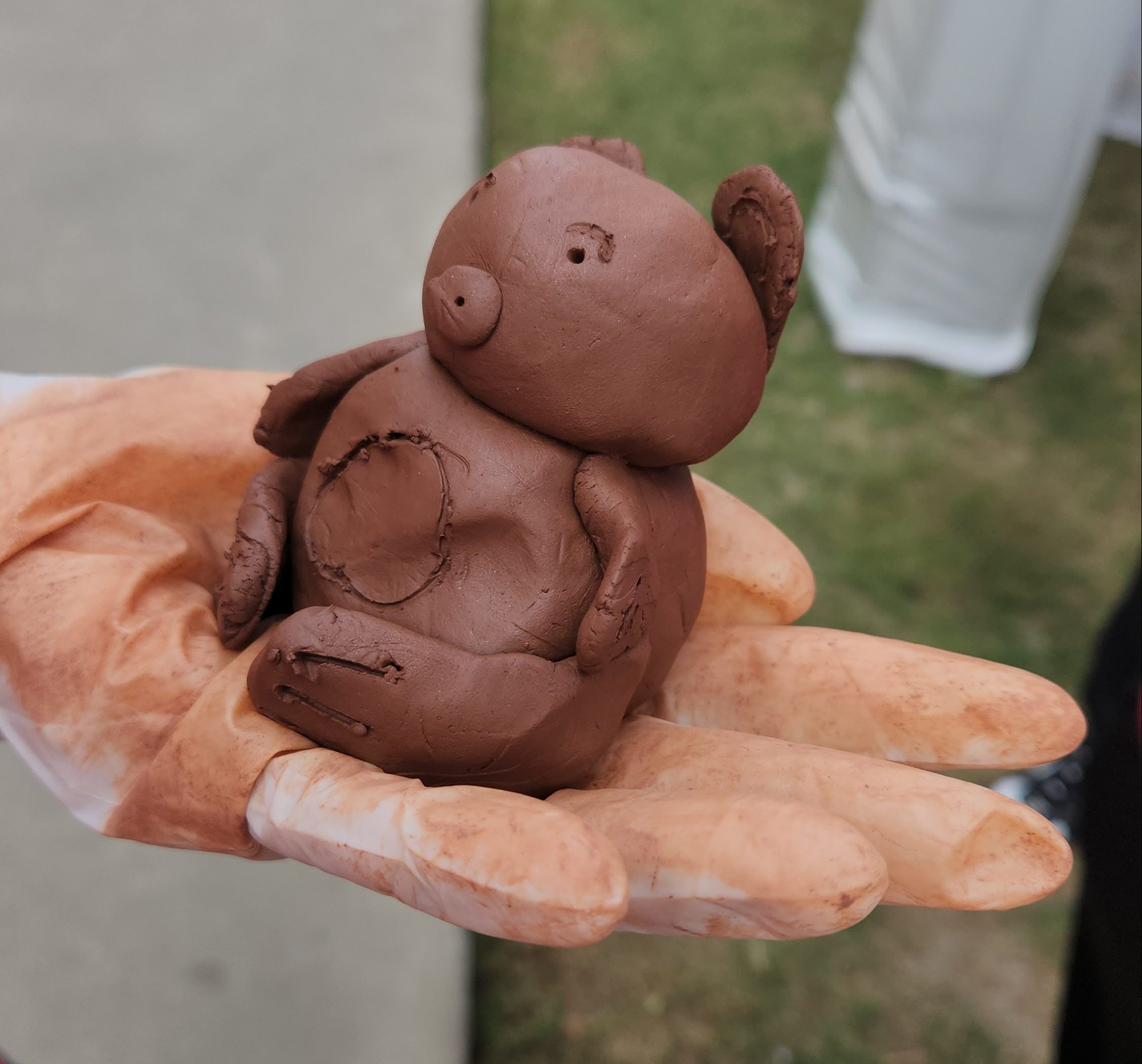
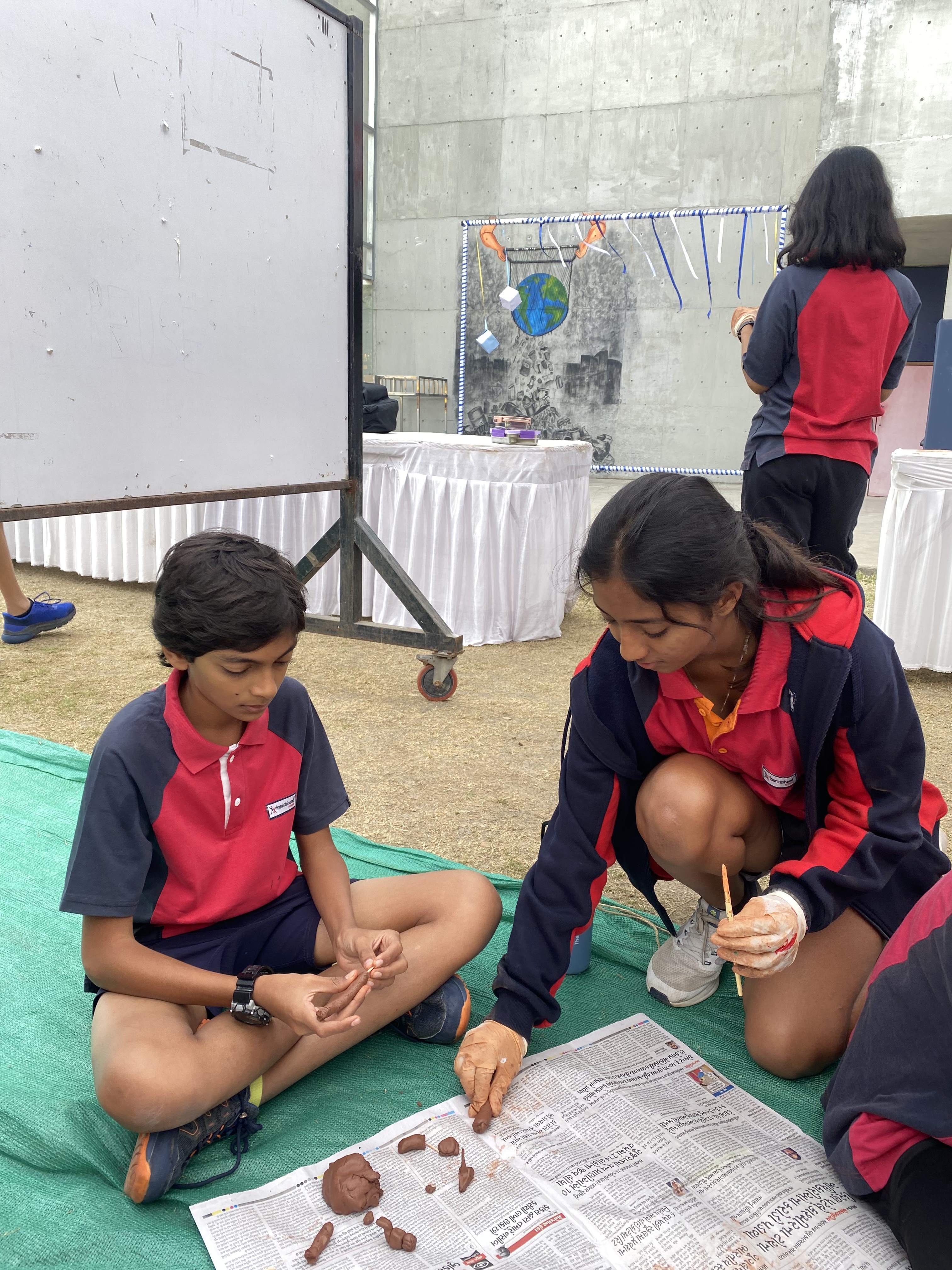
Creative Mela, an event organised by eleventh-grade students at FS, showcases of engaging and inventive stalls facilitated by student volunteers. Catering to the interests of seventh to ninth-grade students, the event offers a platform for them to delve into various creative ideas and activities. Personally, my involvement as a volunteer in the clay making activity rendered Creative Mela a significant component of my CAS journey. This Experience lies under the creativity strand
LO-1 Identify own strengths and develop areas for growth
Creative Mela demanded meticulous planning for the model construction and subsequent instruction, necessitating our mastery of the craft before teaching. Moreover, guiding students ranging from grades 7 to 9 presented quite a challenge. While volunteering, expertise in the model or artistic creation was secondary; adeptness in managing students took precedence. Recognizing areas for personal development, I found it challenging to address each student’s queries and manage the group dynamics effectively. However, I could personally help them out with their personal preference of models they were making. It was important for me to identify this area of growth so that it can help me later in dealing with other people, I tried to help them out as much as a I could so they could get most out of the stall.
LO- 5 Demonstrate the skills and recognize the benefits of working collaboratively
The management of stalls required more than two individuals, necessitating the construction of models per individual in order to pick limited ones that could be taught, Collaboration permeated every aspect of the event.As the students commenced arriving, one volunteer was tasked with distributing resources, another with instruction, and another with student management to make sure that the given number of students only come to their allocated stalls. Absence of collective collaboration, would have evidently make the task considerably difficult, pouring in individual ideas, student management and maximizing time efficiency, was exhausting too, but collaboration and collective effort eased the task. Personally, I found it easier to work with others because there was a room for ideas to be put by other volunteers as well, generally I find it difficult to work with others since the execution of the idea deviates from the initial planning and expectation in a group. It was not difficult to work with the volunteers, rather, handling the students who had come to learn. However, overall, this definitely taught be the benefits of working collaboratively.
LO 2- Demonstrate that challenges have been undertaken, developing new skills in the process
Despite the considerable task of managing students, there were few other obstacles encountered. However, time limitations hindered effective utilization, often resulting in half of the allotted time being spent brainstorming and executing ideas. Furthermore, students had unrealistic aspirations for their models, opting for complex concepts that demanded a lot of effort and time. To address this issue, we proposed a solution of providing pre-made models as references, alongside alternative options. Despite initial reluctance from some students who insisted on creating their own models, we tried to persuade and guide them through the construction process. While this presented a significant challenge, our efforts were largely successful in convincing most students, although some left empty-handed. Nevertheless, this experience served as a valuable lesson, prompting us to refine our approach with subsequent batches of students after identifying our initial missteps.
Evidence: