Six days at a rural Gujarati village, Sankheda-By spending six days in a rural place, one is definitely far from his comfort zone. I really learned valuable lessons and explored fresh skills of life, interactively communicating with people from that community. Our primary aim was not just to learn through this experience but to implement it in our life as well. Throughout the experience, I manifested all three strands of CAS – Creativity, Activity, and Service. The creativity emerged whenever I taught students in Ashramshala how to paint and craft and also research about the traditional furniture-making process. The activity was learnt in farming and feeding cows, whereas the Service rendered in providing meals for the locals, cleaning the classes in school.
Learning Outcome 1 – Identifying Strengths and Developing Areas for Growth:
While traveling, I realized that my greatest strength is being flexible: one can easily move to a new place and get along with people from different walks of life. Be it talking to the farmer on this trip or trying to teach kids, I knew that my communication skills were assets. However, I did point out areas for improvement, particularly in teaching art and craft-a skill that I had never done before. Delivering these in the local language was an added challenge, but I used this opportunity to improve my skills as the week progressed.
Learning Outcome 2 – Confronting Challenges and Acquiring New Skills:
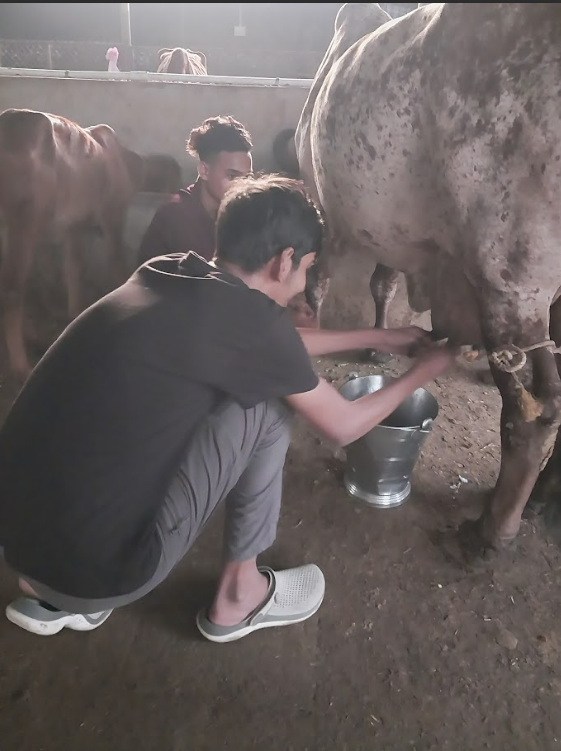
Each of the days during the visit brought a new challenge. On the first day, we visited the area and saw how furniture was made traditionally by hand. Then there was farming where we had to acquire new ways of doing things, for instance, the way to plant vegetables properly. Farming was much harder than I anticipated, especially understanding the patience and the amount of work it takes. Even I could help milk a cow for the first time, which was an unexpected highlight. Another thing that was teaching art in a language I wasn’t fluent in was to the Ashramshala students. For instance, managing this communication barrier and being able to connect with the kids was incredibly rewarding and helped me develop both teaching and interpersonal skills.
Learning Outcome 3 – Initiating and Planning a CAS Experience:
The preparation of the rural immersion was a teamwork that consisted of planning many things at one go. From the organization of art and craft sessions to planning our visit to the dairy farm, each step required proper preparation. One of the activities we initiated was distributing bottles and tiffin boxes to the Ashramshala children. We ascertained this was not just a charitable act but an engagement that would have relevance to the children. In addition, our team planned an interaction with the Panchayat of the village, ensuring that the interaction session was formatted in a manner that allowed us to understand the system of leadership at the local level and the problems being faced by the villagers.
Learning Outcome 4 – Demonstrating Resilience and Commitment:
Determination is what it took to endure the life of being in a rural setting with no comfort of urbanizing. Fans were not there, and insects were all over and just slight facilities are always a challenge that one would have to learn how to cope with. Physically, I was uncomfortable, but intellectually, I tried my best at it. Concentration and dedication never in a day’s work, especially working in farming, cleaning the classrooms, and being with the villagers on a daily basis. Sometimes, the conditions used to get tough, but my interest in fully submerging myself into the experience never reduced.
Learning Outcome 5 – Collaboration and Its Benefits:
Collaboration played an important role throughout the trip. Be it the service of food to students at Ashramshala and staff or cleaning classrooms together, teamwork was the essential need. One main example was on the lessons about farming, where we learned how to grow crops properly. What made the learning process smoother and more enjoyable was because we as a group worked together. Collaboration did not only make tasks easier, but it also helped strengthen the bond within our team and between us and the local community. We are aware that it benefits our working style as it allows mutual respect and amplifies our impact.
Learning Outcome 6 – Engaging with Global Issues:
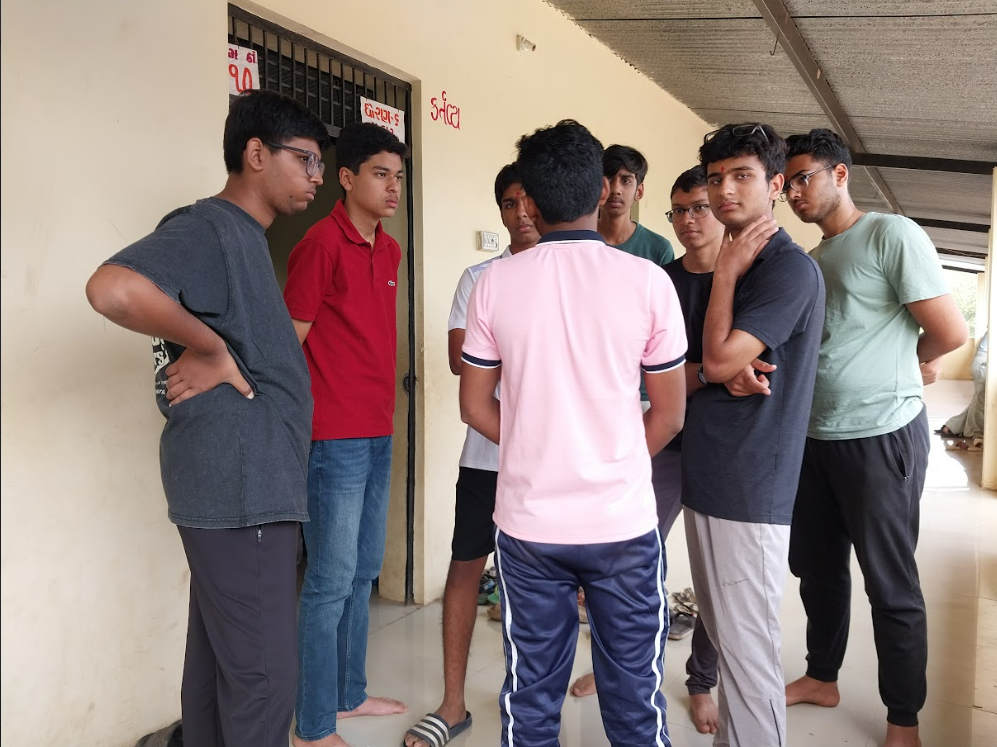
On the fourth day of our visit, we visited various villages and interacted with the locals. They told us about the struggles with which they face, for instance, restricted access to quality education, poor health facilities, and gender inequality. These issues are well in line with the global issues the UN tries to address through its Sustainable Development Goals. We saw ourselves the need for issues in girl-child education, reduced inequality, and health and well-being in those rural areas. Being witness to those challenges helped me understand at a deeper level just how much bigger global importance our work represented and more determined to make contributions-no matter how small-to the inequalities that needed solving.
Learning Outcome 7 – Reflecting on the Ethics of Decisions and Actions:
This journey also made me reflect on the ethical choices and doings that I had been making. Initially, I felt uncomfortable about the idea of being in a rural area for six days due to the discomfort that I contemplated; however, after landing there, I realized how important it was to immerse myself deeply into the experience. Perhaps the most significant action my group was able to influence was that of a local family, who seemed unwilling to allow their daughter to ever attend school. We also had dialogue with villagers about the ill effects of smoking and the risks associated with tobacco products in the hope that it would foster good practices. All these ethical reflections helped realize that no matter what little thing I or my group could do, it created such long-lasting effects in the community.
Reflection Experience
In this trip, I dealt with two dominant Learner Profiles: Open-minded and Reflective. Being an open-minded person was essential in a sense that I had to equip my home in ways very different from where I come from. This openness enabled one to appreciate the lifestyles of the people in the villages and their attachment to the soil and society. I was also reflective, as I always tested the activities we did and had, and how they were molding my perception of rural life. Comparing those experiences between the city and the countryside helped me see how lucky I have been, but also increased my respect for the strength and resourcefulness of people living in such communities.