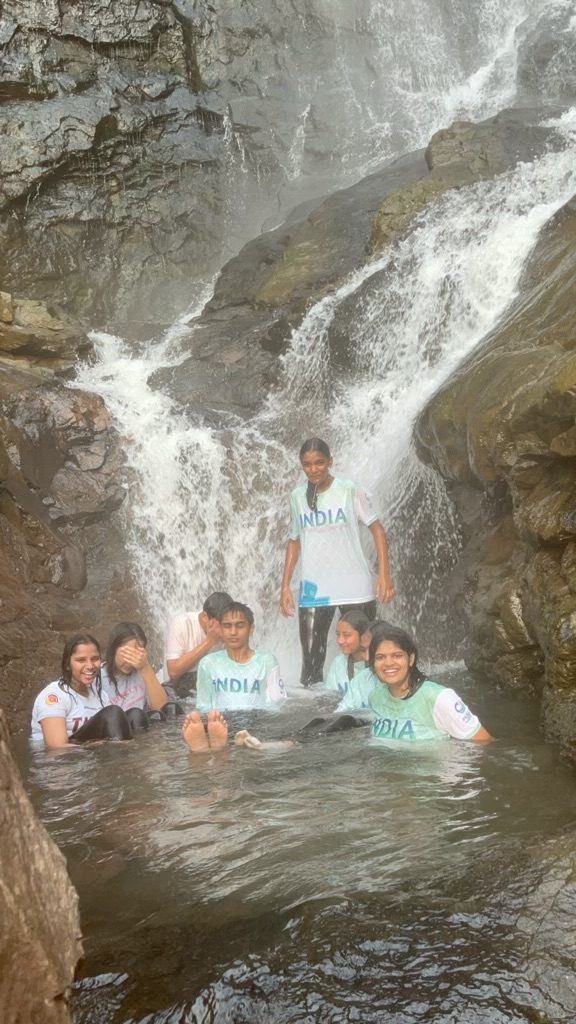
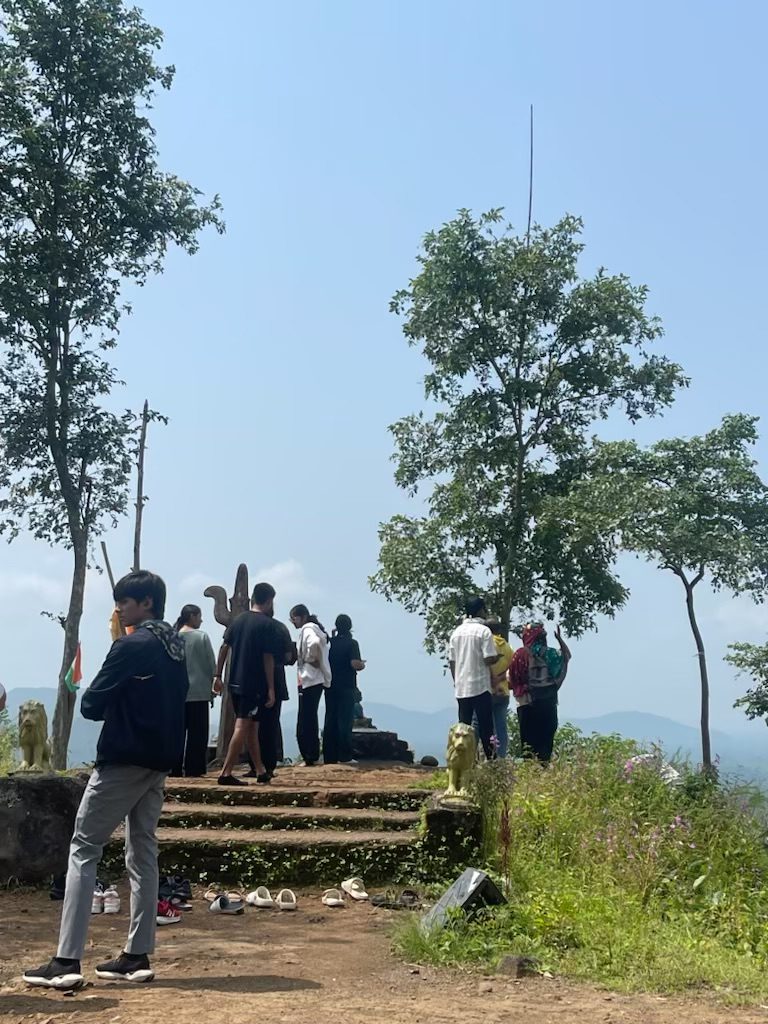
Rural immersion was one of the best experiences I have had throughout my school life. It was no longer than a 3 day trip, it was 11 of us and plenty of fun. More than fun, it was about responsibilities and understanding the lives of those who live in villages, working hard everyday. We are kids from the city, and extremely privileged, we do not understand true hard work – the rustle behind everyday chores. This trip helped me get an insight into that rustle, that life, and those responsibilities.
LO1 – Identify your own strengths and develop areas for growth.
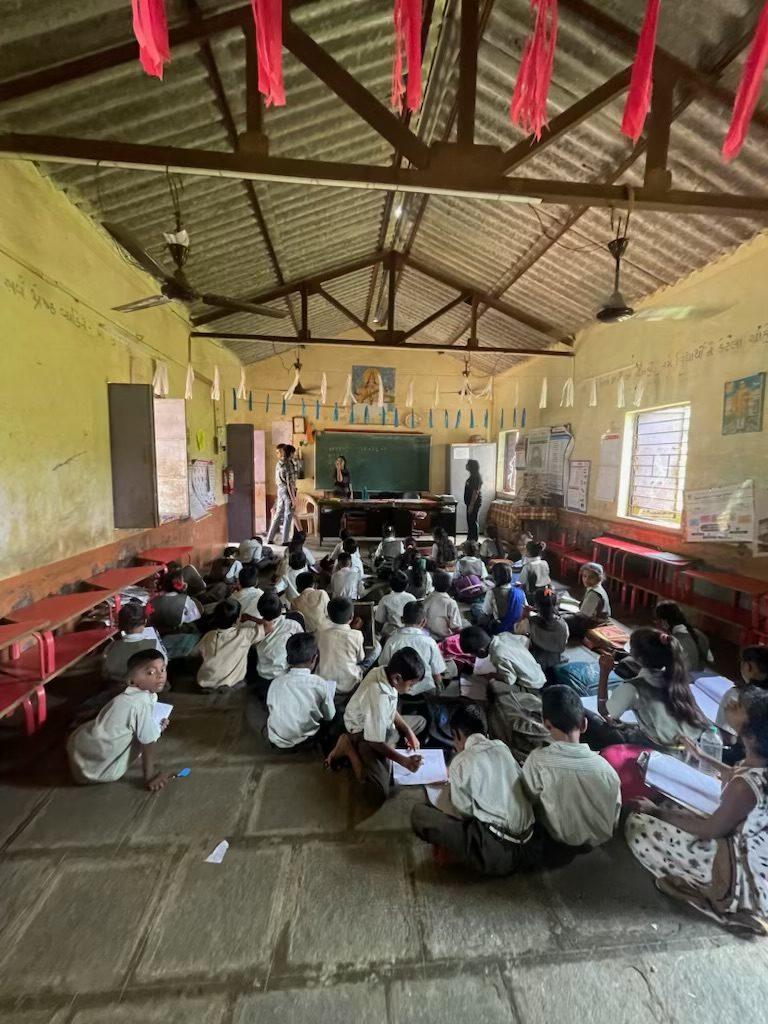
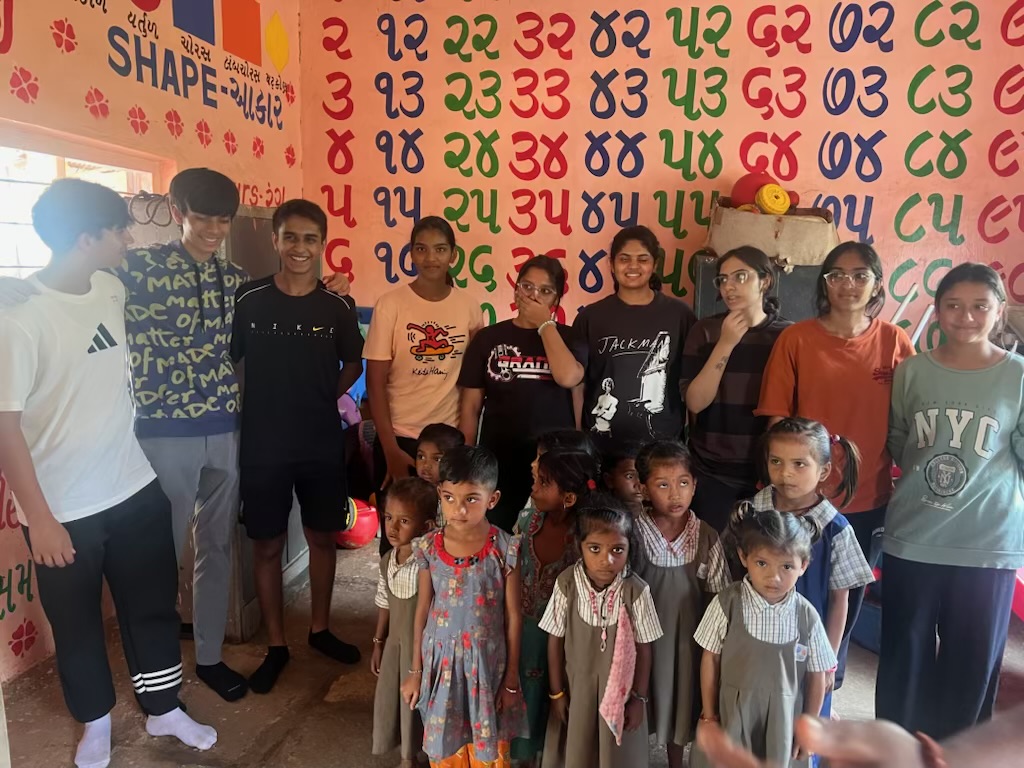
This trip helped me identify a lot of my strengths and weaknesses, and I was able to set goals to address the latter. I became aware of my friendliness and the fact that I had made a lot of new ones when I realized that some of my closest friends were not traveling with me. I also came to the realization that I was eager to try new things and didn’t mind facing challenges. However, after we went for a walk, I realized that I needed to get more fit and strong because I got tired easily.When we went to play with the kids at the local government school, we found it hard to engage in social interactions and have conversations. As a result, I realized I needed to work on my communication skills.
LO2 – Demonstrate that challenges have been undertaken, developing new skills.
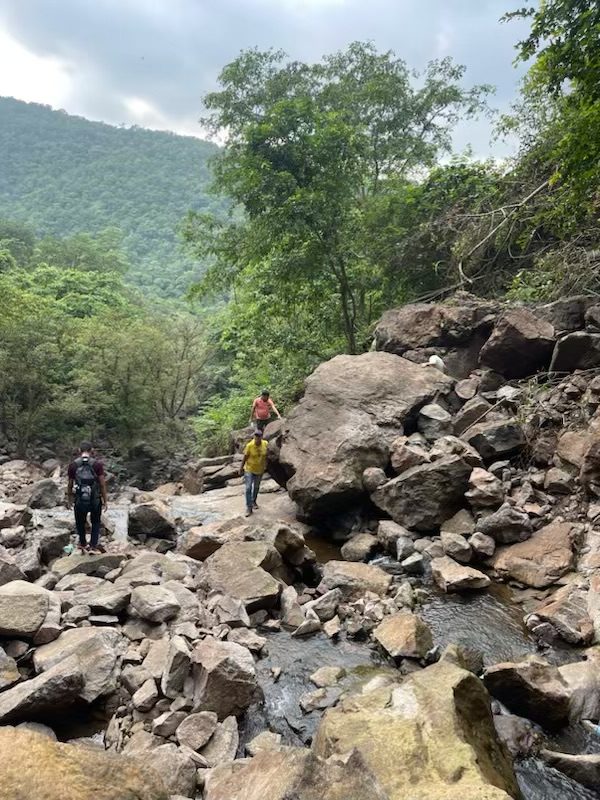
Like I said, we are all city kids, privileged. We don’t know the true rustle behind mundane everyday things because we have never experienced that. Moreover, we went trekking twice, and even though I am a person who enjoys going on a trek, I realized that I had a hard time with my stamina as I felt fatigued easily. This was a challenge that I had to overcome – I had to challenge every part of my physique while doing this. Although, it was so worth it; the view, the company, the local food. I developed my physical skills and made a goal to work on this more after the trip was over. Â
LO5 – Demonstrate skills and benefits of working collaboratively.
As we were all trekking, there were moments when most of us tripped due to the uneven surface, we helped each other throughout – we made sure the other was moving with ease, and that we were all safe. This made me realize the value of effective teamwork and coordination. Working together gave me motivation to complete the trek despite the obstacles, and also made sure that everyone remained safe. Moreover, when we were at the school teaching children, it was difficult to do so as they did not speak my language, however, some of my peers who were with me did speak the language – they helped me communicate with the kids, which would have not been possible otherwise – which again made me realize the importance of working collaboratively.
LO6 – Engagement with issues of global significance.
I was able to see the difficulties and possibilities that exist in rural areas firsthand through my work as a carer, farmer, and public school painter. Engaging in play activities with public school students not only promoted happiness but also underscored the significance of education worldwide and the adaptability of developing brains. The meal in the home of an unidentified villager highlighted the value of hospitality and cross-cultural exchange by highlighting the universal human experience. Playing volleyball with the villagers reinforced the universal language of sports and community spirit, despite language barriers. Speaking with the sarpanch and other villagers revealed how local problems are linked to more global themes like sustainable development and well-being of the community.
LO7 – Recognise and consider the ethics of choices and actions.
As we played with the kids, we tried to be both entertaining and morally righteous, while also trying to respect their cultural sensitivities. The meal in the home of an unidentified villager demonstrated the value of appreciating and respecting cultural differences and promoted a reciprocal conversation that was morally and emotionally touching. Discussions with the villager and sarpanch highlighted the significance of inclusive decision-making as well as the ethical issues that are inherent in community development.
All in all, this trip was something I never realized I needed. I learnt from this trip that the little things in life can bring us happiness. However, in our modern, materialistic world, everyone is too preoccupied with pursuing material goods to focus on what matters most in life—the pursuit of happiness.