Spending a Week in Sankheda: A Transformative Experience
Spending a week in Sankheda was an eye-opening and transformative experience, offering an authentic glimpse into the charm of rural life, far removed from the fast-paced rhythms of urban living. Renowned for its vibrant handmade furniture and intricate craftsmanship, Sankheda introduced me to the beauty of simplicity, resilience, and a strong sense of community. Although this trip was a mandatory part of our program, I eagerly embraced the opportunity to connect with nature, learn new skills, create lasting memories, and lend support wherever possible.
LO1: Identifying Strengths and Developing Areas for Growth
This experience allowed me to uncover personal strengths, such as my curiosity and ability to connect with people from diverse backgrounds. Building relationships with the local artisans and farmers deepened my understanding of their culture and practices. However, I also recognized areas where I could grow, particularly in adapting to unfamiliar routines and slowing down to align with the pace of rural life. Overcoming these challenges required patience and flexibility, enabling personal growth and teaching me the value of stepping out of my comfort zone.
LO2: Demonstrating Challenges Undertaken and Developing New Skills
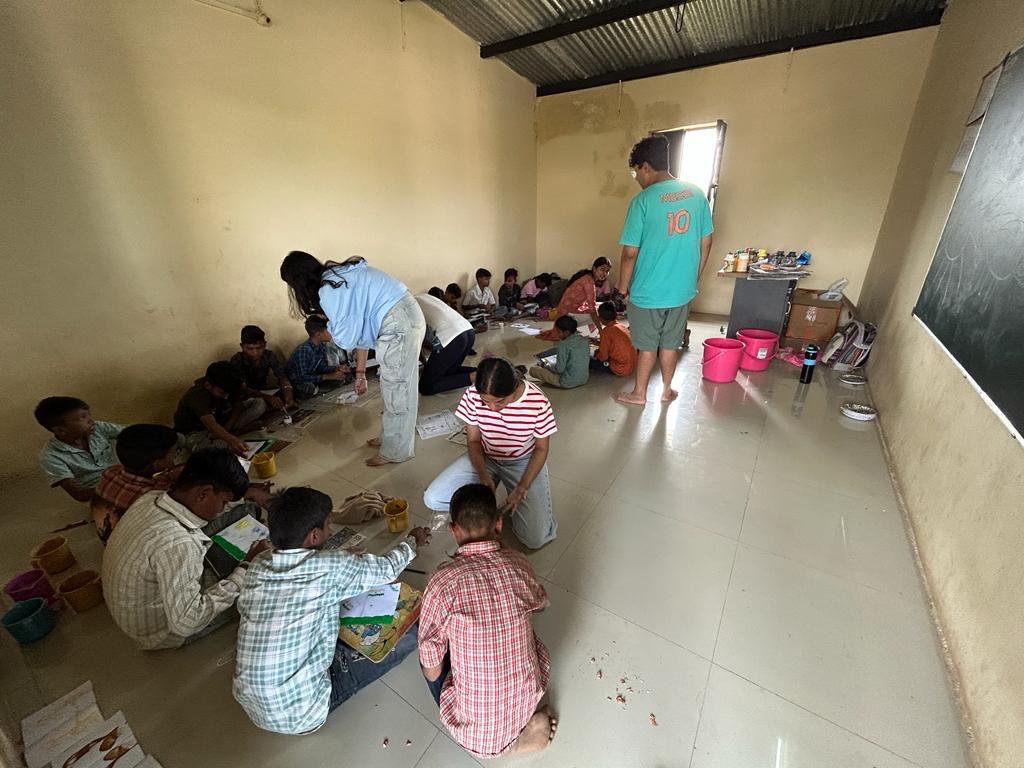
The service component of the trip brought challenges that pushed me to learn and grow. Assisting farmers with crop planting was physically demanding and required me to quickly grasp sustainable agricultural techniques. Similarly, teaching students and serving meals at an ashramshala (government school) was a rewarding yet challenging experience that tested my creativity, adaptability, and communication skills. These activities enhanced my teamwork and problem-solving abilities while fostering a deeper appreciation for the effort behind tasks often taken for granted.
LO4: Showing Perseverance and Commitment
The week-long experience demanded sustained perseverance and dedication. Each day was filled with meaningful but exhausting activities, from assisting farmers early in the morning to conducting educational sessions with children. Despite moments of fatigue, I remained committed to making the most of every opportunity. Whether focusing on tasks in the fields or ensuring the students at the ashramshala felt supported and inspired, I poured my energy into every responsibility, reflecting my dedication to this unique journey.
LO5: Demonstrating Skills and Benefits of Working Collaboratively
Collaboration was a key part of this experience. Together with my peers, we organized activities, divided tasks, and supported each other through challenges. Working as a team with farmers, we ensured our collective efforts made a meaningful impact. Additionally, engaging with the local community required empathy and cross-cultural communication, including learning and using their native language. These collaborative efforts strengthened our understanding of teamwork and highlighted the value of unity in achieving shared goals.
LO6: Engagement with Issues of Global Significance
Sankheda’s traditional craftsmanship and farming practices shed light on the importance of preserving cultural heritage and supporting sustainable livelihoods in a rapidly modernizing world. Through hands-on participation, we learned about the challenges rural economies face and how consumer choices can impact their survival. This experience emphasized the global need to sustain cultural traditions and empower rural communities, inspiring a deeper awareness of the role we play in fostering sustainability and inclusivity.
LO7: Recognizing and Considering the Ethics of Choices and Actions
Throughout the trip, I remained mindful of the ethical implications of my actions. While working with farmers, I ensured that my contributions were aligned with their needs and expectations. Similarly, at the ashramshala, I made a conscious effort to foster an inclusive, respectful, and supportive environment for the children. By maintaining an open-minded and considerate approach, I recognized the responsibility we hold to uplift and respect others through our actions.
Conclusion
The week spent in Sankheda was more than just an introduction to rural life—it was a journey of self-discovery and an exploration of humanity’s core values. Immersing myself in the community’s simplicity, creativity, and resilience taught me valuable lessons in perseverance, adaptability, and collaboration. This experience also deepened my understanding of global issues, such as the importance of preserving cultural heritage and supporting sustainable development. Sankheda will remain a cherished memory, reminding me of the power of teamwork, the beauty of traditions, and the importance of ethical engagement.