The CAS trip to Lachhakadi, a small village near Navsari, was a transformative journey that pushed me beyond the boundaries of my comfort zone. As someone who grew up in the city, I had never imagined myself immersed in such a raw and authentic rural experience. For six days, we left behind our familiar comforts and embraced the simplicity of village life, connecting with the local community and learning from their deep-rooted connection to nature. This adventure not only challenged me but also helped me grow as an individual while making meaningful contributions.
LO1 – Recognize and develop areas for growth
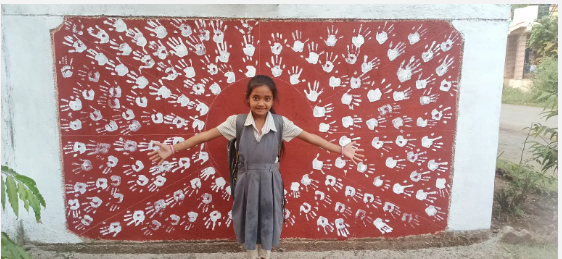
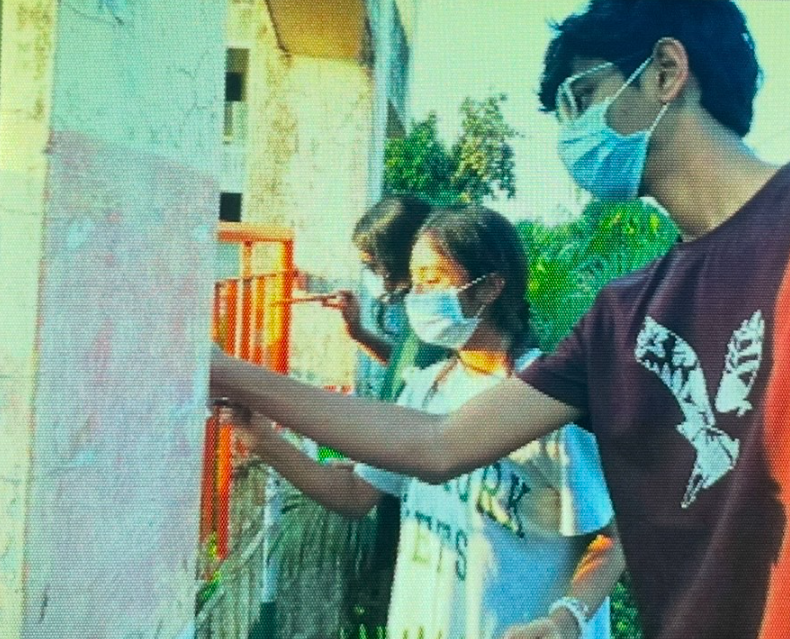
I’ve always enjoyed creative projects, particularly drawing and painting, but this trip offered me an entirely new medium to explore wall painting. On the second day, a Warli art expert visited our camp and introduced us to this traditional art form. As an art enthusiast, I couldn’t contain my excitement to learn something so unique. With his guidance, I practiced diligently on paper, and my work was well-received by my peers and teachers. This led to me being chosen to work on the walls of a local school alongside a small team. It was a proud moment but also a challenging one. The uneven texture of the walls and the hot, humid conditions tested my patience. Despite these obstacles, I persevered, learning techniques to adapt my skills and execute the art successfully. This experience showed me how my passion for art could evolve in new environments, and it inspired me to explore more collaborative and large-scale projects in the future.
LO2 – Overcome challenges and acquire new skills
One of the most thrilling yet intimidating parts of the trip was trying rappelling and rock climbing for the very first time. When I heard we’d be doing these activities, I was both excited and slightly nervous. Heights have never been my strong suit, and I worried about whether I’d be able to handle the challenge. But as soon as I saw others gearing up, I knew I couldn’t let fear hold me back. Standing at the edge of the cliff, I felt a wave of uncertainty, but I reminded myself that this was an opportunity to grow. Slowly but surely, I descended the cliff, guided by the mantra, “You can do this.†When I reached the bottom, I was overwhelmed with a sense of accomplishment. I realized that courage isn’t about being fearless—it’s about facing your fears head-on.
LO3 – Plan and organize CAS activities
During our trip, we had the opportunity to design and execute several activities for the local community. From painting murals on school walls to organizing games and performances for children, everything required careful planning and coordination. My group took on the responsibility of creating a skit with a meaningful message. After much brainstorming, we decided to showcase the differences between urban and rural life, highlighting how rural communities often find happiness in simplicity. I played the role of a rural mother, and together, we blended humor and moral lessons to make the performance engaging and impactful. The collaborative effort and the joy on the children’s faces made all the planning and hard work worthwhile.
LO4 – Display perseverance and commitment
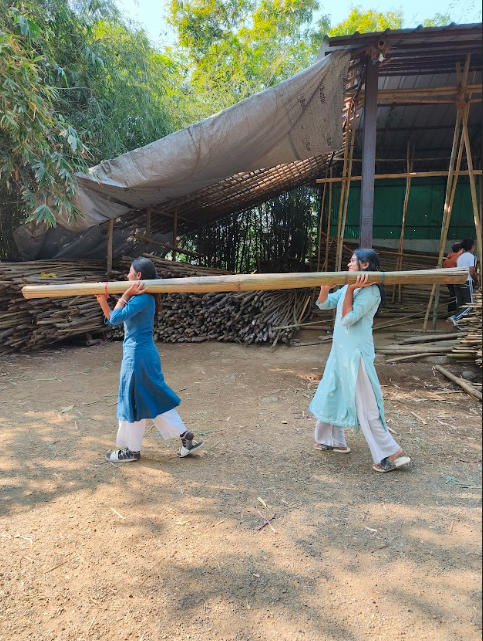
Whether it was farming, wall painting, or working in the bamboo furniture unit, each activity demanded physical and mental endurance. Farming, in particular, was an eye-opener. We spent hours shoveling, digging, and sorting turmeric a task that required focus and resilience. By committing wholeheartedly to each task, I not only gained a deeper appreciation for the hard work of the villagers but also discovered my own ability to adapt and persevere in unfamiliar situations. The experience reinforced my belief that dedication and teamwork can help overcome even the toughest challenges.
LO5 – Collaborate effectively
One of the most memorable aspects of the trip was working collaboratively with my peers. Whether we were planning skits, painting walls, or organizing games for the children, every task depended on teamwork. For the skit, we divided roles and responsibilities, ensuring everyone contributed their strengths. I learned the importance of listening to others’ ideas and trusting the process of collaboration. By working together, we were able to deliver a meaningful and entertaining performance in just two days a testament to the power of collective effort.
LO6 – Engage with global issues
Living in Lachhakadi gave me a first-hand understanding of the challenges rural communities face, from limited access to education to the impacts of deforestation. Talking to the locals was both humbling and inspiring—they shared stories of how environmental changes were affecting their livelihoods and traditions. These conversations made me more aware of how interconnected global issues like climate change and sustainability are to everyday lives. It deepened my resolve to contribute to solutions that prioritize community well-being and environmental preservation.
LO7 – Reflect on the ethics of choices and actions
This trip also gave me a deeper understanding of the ethical implications of our actions. Interacting with the villagers and hearing their stories highlighted the importance of respecting their culture and traditions. It made me more mindful of how development and aid must be approached with sensitivity and sustainability in mind. Whether it was teaching children or engaging in farming activities, I realized that small, thoughtful actions can have a significant impact when carried out with respect and empathy.
This rural immersion trip to Lachhakadi was far from what I initially expected—it was better. It not only pushed me to face challenges and develop new skills but also allowed me to contribute meaningfully while learning from the community. It’s an experience I’ll always treasure, as it shaped my perspective on life and strengthened my commitment to making a difference.