I traveled to Igatpuri, Maharashtra, for two days in order to complete my CAS experience. My major objectives were to get an appreciation for local customs, learn about the area’s history and culture, and realize how crucial it is to preserve and propagate our cultural legacy.
I got to learn more about the fascinating aspects of Igatpuri throughout my vacation. It got me to thinking about the reasons of preserving our history and culture. I gained an appreciation for the local history, customs, and artwork. But I also learned that when interacting with people from other cultures, it’s critical to speak clearly and show respect.
During my voyage, I had difficulties, such as navigating new areas. These difficulties gave me the strength and flexibility to deal with new circumstances.
I also thought it was my duty to preserve and honor Igatpuri’s cultural assets, and I want to keep doing so.
During my trip, I assisted with an art show, which was one unique thing I did. It was laborious and required a significant deal of perseverance and commitment, but when it was finished, it felt fantastic. It helped me realize how crucial it is to persevere through difficult times.
Occasionally, during my collaborations with regional artists and historians, our perspectives diverged. However, we discovered that when you’re working with others, it’s critical to communicate and establish a common ground. Effective leadership and teamwork were also essential to the success of our cultural endeavors.
Protecting and celebrating Igatpuri culture was my driving force behind all I did for my CAS project. When we met locals, we wanted to make a good impression and demonstrate our respect for their customs. After this encounter, I became interested in different cultures and international problems pertaining to cultural diversity. I want to learn how I may contribute to the global preservation of cultures.
Problem-solving and creative thinking are essential for CAS experience, particularly when handling culturally sensitive subjects. In order to effectively display and honor Igatpuri culture, my project’s participants and I had to use our imaginations. In addition, we had to make choices that honored the locals and their culture.
I learned to be risk-taker and receptive to new ideas through this endeavor. It helped me be more accepting of the many cultures in Igatpuri. In keeping with my passion in honoring many civilizations, it also assisted me in learning more about history and culture.
Witnessing the joy on the faces of the Igatpuri people upon viewing our efforts was the highlight of the whole trip. It opened my eyes to the value of preserving and promoting cultural diversity. Looking back, if I had to do this over again, I would like to know more about the regional traditions. I would be able to interact with the people and their culture more effectively. What I’ve learnt will be put to use in my continued efforts to maintain cultural heritage and promote diversity. I wish to contribute to the celebration and preservation of cultures, whether it be via the arts, cultural events, or educational initiatives. My desire for studying and contributing to the preservation of many civilizations was sparked by this event.
LO2 – Demonstrate that challenges have been undertaken, developing new skills
The most challenging aspect of the whole CAS trip was the trekking, mostly because of the weather, which made it tough to go while also raising the possibility of slipping and making it challenging for me to have a firm grip on the ground. I had many slips throughout the physically demanding ascent. I was able to understand trekking better as a consequence of this experience, and I also learned a lot of things which I would not in normal day-to-day life like marching through difficult terrains and managing a large amount of kids at the government school that would make me improve mentally and physically.
LO3 – Initiate and plan a CAS experience
A lot of preparation went into our trip, even as my friends and I tried to interact with the kids at the government school and decided what games and activities to play together a day before . We had to plan for things like playing games with the children, interacting with them, and making sure they had a good day.
LO5 – Demonstrate skills and benefits of working collabratively
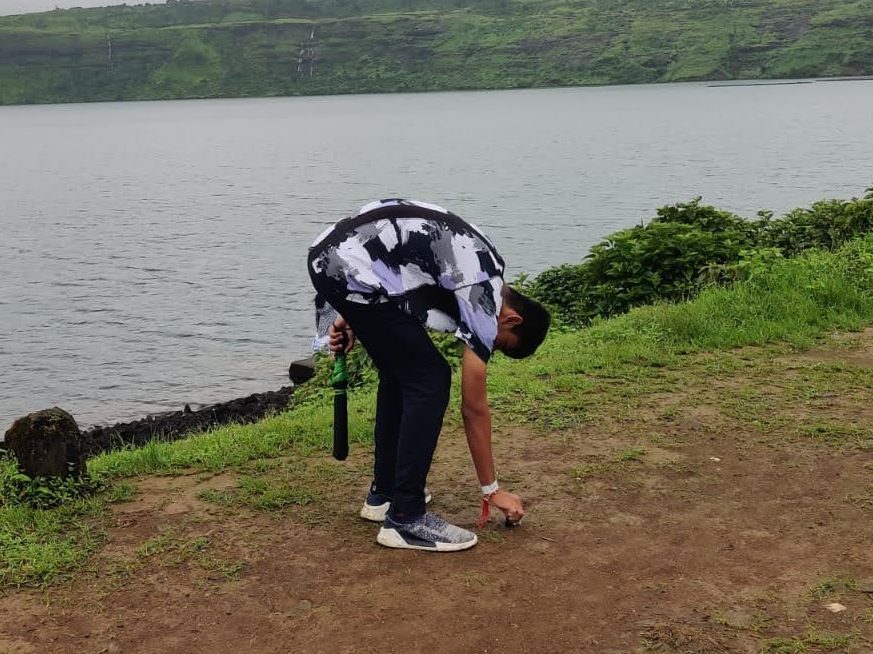
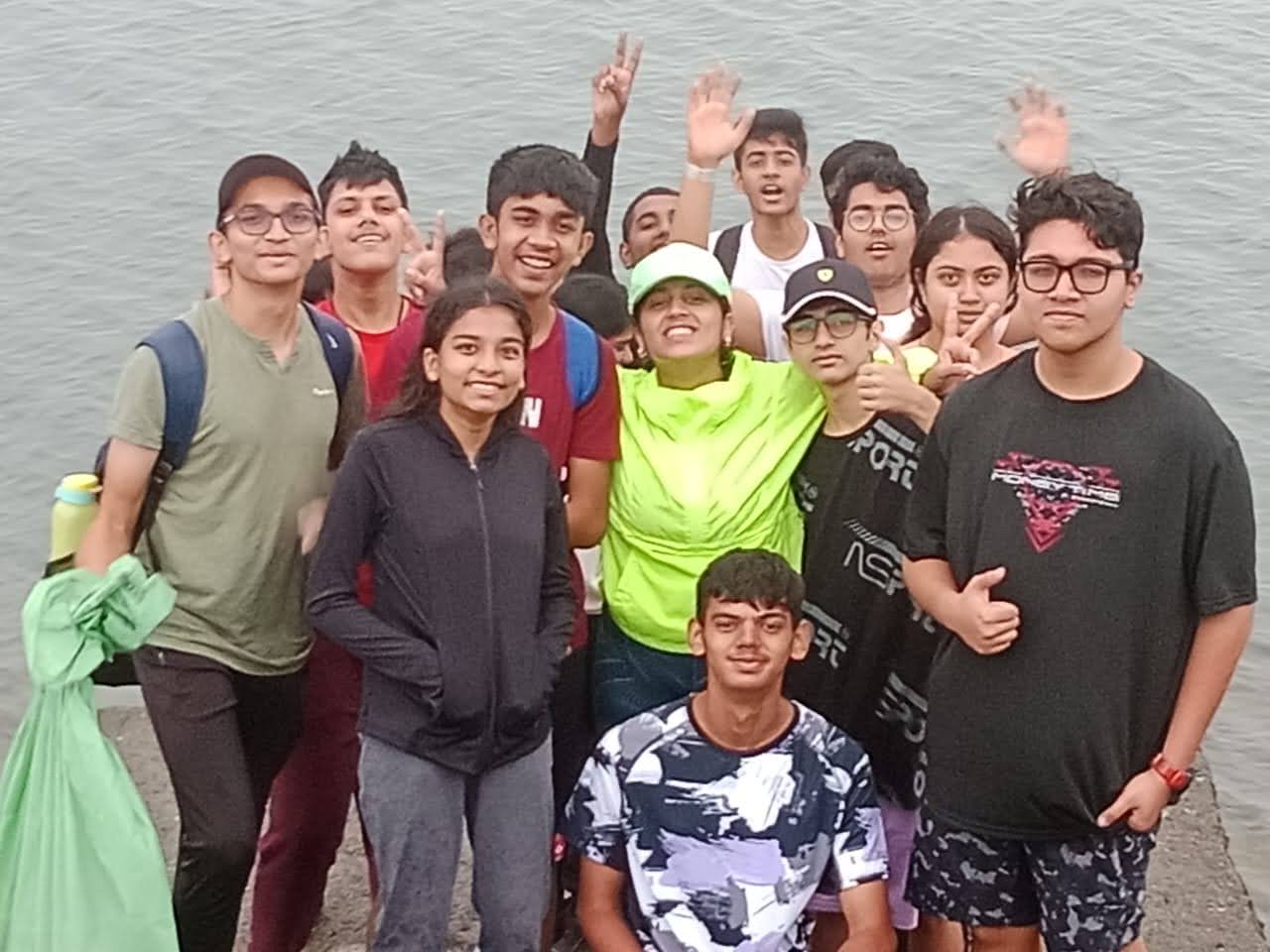
Some degree of teamwork was required for every task. For instance, people had to assist one another up the soggy terrain during the trekking because of the extreme weather. The dam was too dirty and large for one individual to clean alone, therefore cooperation was needed, they had to help each other out, with one person holding the bag while the other collected trash. It was because of this sort of preparation and collaboration that the project was successful, with the help of my team we were able to clean the damn on time. Cooperation was needed to plan the tasks to be completed during the government service.