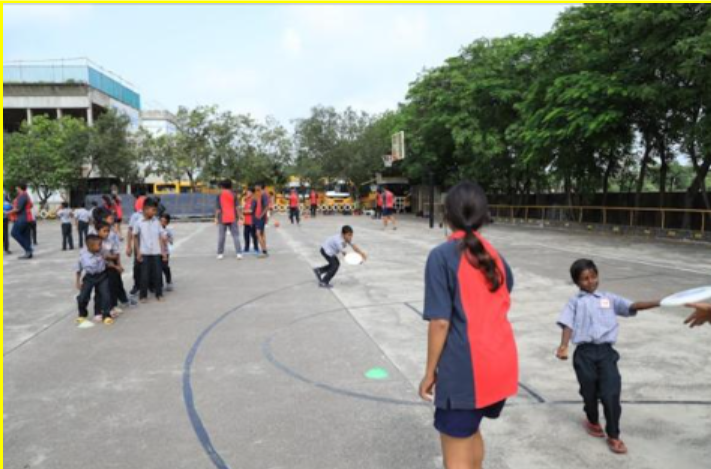
I had the chance to teach ultimate frisbee to underprivileged children at our school. Initially, they were hesitant about the sport, but with encouragement, they quickly started enjoying it. We began with basic skills like throwing and catching, eventually moving on to advanced strategies. Despite some initial challenges, their progress was remarkable, and their confidence grew. A memorable moment was seeing them play their first competitive match, where they were both excited and nervous but clearly enjoying themselves. Overall, it was a rewarding experience that taught them not just frisbee, but teamwork and sportsmanship.
LOI 1: Identify Own Strengths and Develop Areas for Growth
Participating in this community service project allowed me to reflect on my strengths and areas for improvement. I realized I had a natural ability to engage with younger students and explain concepts clearly. However, I also recognized that I needed to work on my patience and adaptability, especially when some students struggled to grasp the basics of the game. This self-awareness motivated me to focus on creating an inclusive environment where every student felt encouraged to participate.
LO6 – engagement of issues with global significance.
This activity addressed a global issue by focusing on underprivileged children, who often lack the resources to explore and learn new activities. Teaching them ultimate frisbee gave them a chance to experience something new that they might not otherwise have access to. This experience has global relevance as it empowers these children, providing them with skills and opportunities that can help them in the future.
LO7 – Recognize and consider the ethics of choices and action
Throughout this experience, I became increasingly aware of the ethical responsibilities involved in working with underprivileged children. It was important to approach the activity with sensitivity, ensuring that my teaching methods were respectful of their backgrounds and experiences. I had to carefully consider how to create a positive and inclusive environment without making them feel inadequate or different from their peers. Additionally, I made ethical choices in how I motivated them—focusing on encouragement rather than pressure and emphasizing teamwork and enjoyment over competition. Ensuring fair play and equal participation was also crucial, as it reinforced values of respect and integrity. This experience highlighted the ethical importance of promoting equality and fostering an environment where every child, regardless of their circumstances, felt valued and empowered.