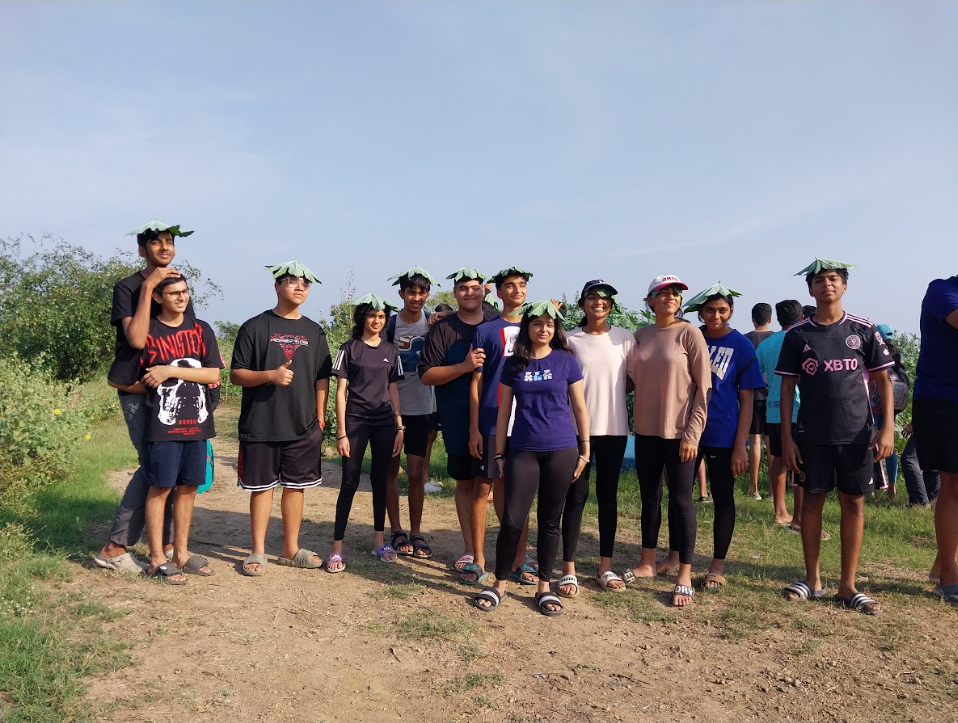
Living in a rural area for six days was an unforgettable journey that pushed me to identify my strengths and areas for improvement while engaging with global issues. From adopting a new lifestyle to working with others, this journey provided valuable insights and opportunities for personal growth.
Learning Outcome 1 – Identify Own Strengths and Develop Areas for Growth:
Throughout the trip, I discovered my strengths in flexibility as well as to try new things. Despite my initial doubts, I approached the rural lifestyle with an open mind, eager to learn and develop. However, I recognized areas for improvement, such as communication skills in unfamiliar situations and adapting to different cultural norms. By identifying these areas for improvement, I laid the groundwork for personal development.
Learning Outcome 5-Demonstrating Skills and Benefits of Working Collaboratively :
Collaboration was essential during our rural immersion experience. Working closely with friends, we used our combined strengths to overcome challenges and support one another in learning new skills. Whether we were teaching art and craft to students at the Ashramshala or helping with farming activities, our collaborative efforts created a sense of community and support. We not only met our goals, but we also learned a lot about the benefits of working together to solve complex problems.
Learning Outcome 6-Engagement with Issues of Global Significance:
The rural immersion trip provided an opportunity to discuss global issues, particularly poverty, health, and education. Interacting with villagers and witnessing their daily struggles made us extremely mindful of the challenges that rural communities face. From insufficient healthcare and education to the common effects of poverty, these issues highlighted the critical need for collective action. Recognizing the interconnectedness of global challenges inspired us to stand up for solutions that promote sustainability and social equity.
Learning Outcome 7-Recognizing and Considering the Ethics of Choices and Actions
Ethical considerations influenced our decisions and actions throughout the immersion trip. While adjusting to rural life presented difficulties, such as living without modern amenities, we approached these experiences with respect and decency. We understood the significance of cultural sensitivity and ethical behavior when interacting with local communities. Furthermore, we took proactive steps to address ethical concerns, such as advocating for education and encouraging villagers to live healthier lifestyles. By considering the ethical implications of our decisions, we upheld the principles of social responsibility and ethical leadership.
Connecting to Sustainable Development Goals:
Our work with rural communities was consistent with several Sustainable Development Goals , including zero poverty, good health and well-being, and quality education. We helped achieve SDGs 1 and 3 by addressing the root causes of poverty and promoting access to essential services. Similarly, our efforts to support education initiatives and increase healthcare access demonstrated our commitment to SDGs 4 and 3. These actions demonstrated our commitment to creating a more equal and sustainable future for all.
In conclusion, the rural immersion trip was a transformative journey that allowed me to identify my strengths, develop areas for growth, and engage with issues of global significance. Through collaborative efforts, ethical considerations, and a commitment to the Sustainable Development Goals, I gained invaluable insights and experiences that will shape my future endeavors. As I reflect on this journey, I am grateful for the opportunity to learn, grow, and contribute to positive change in the world.