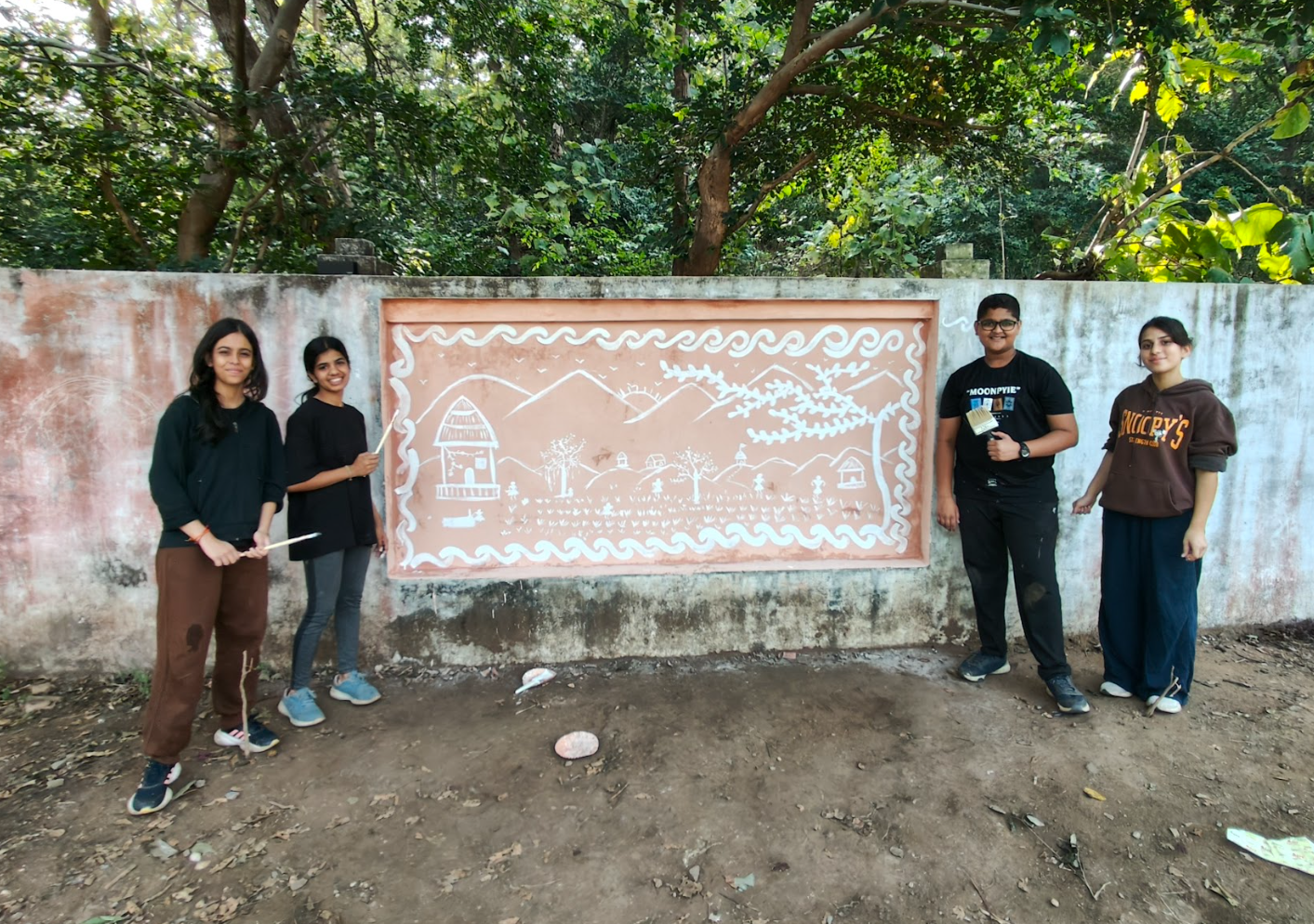
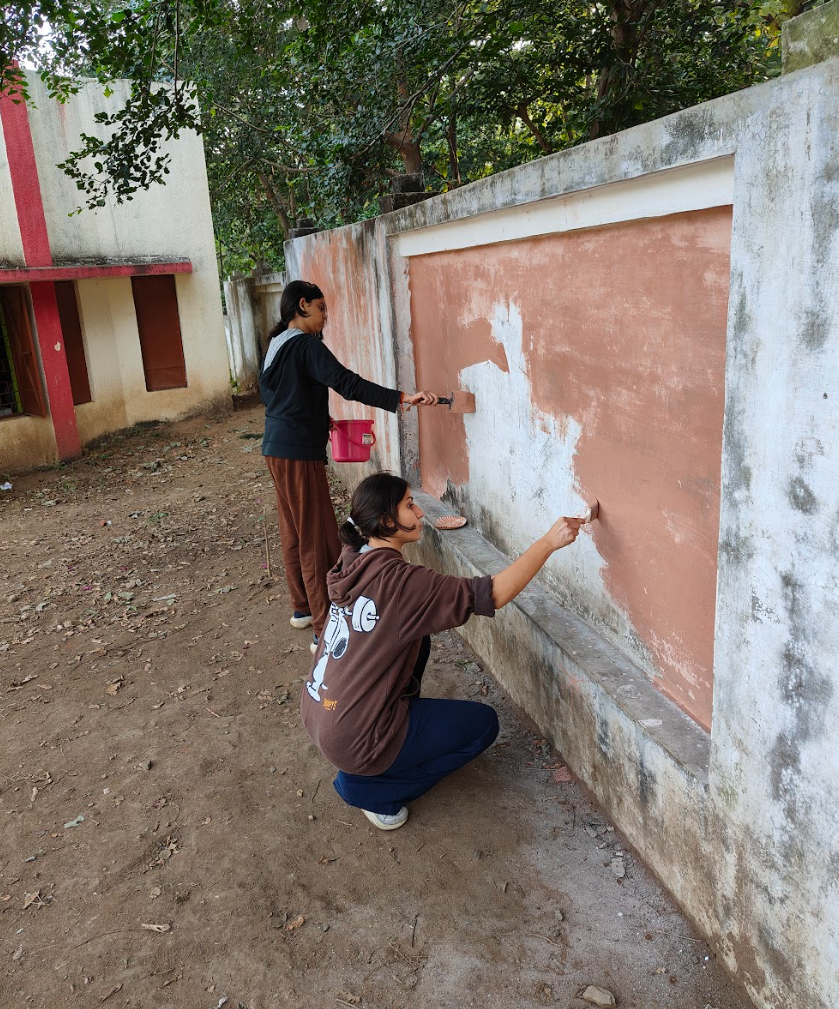
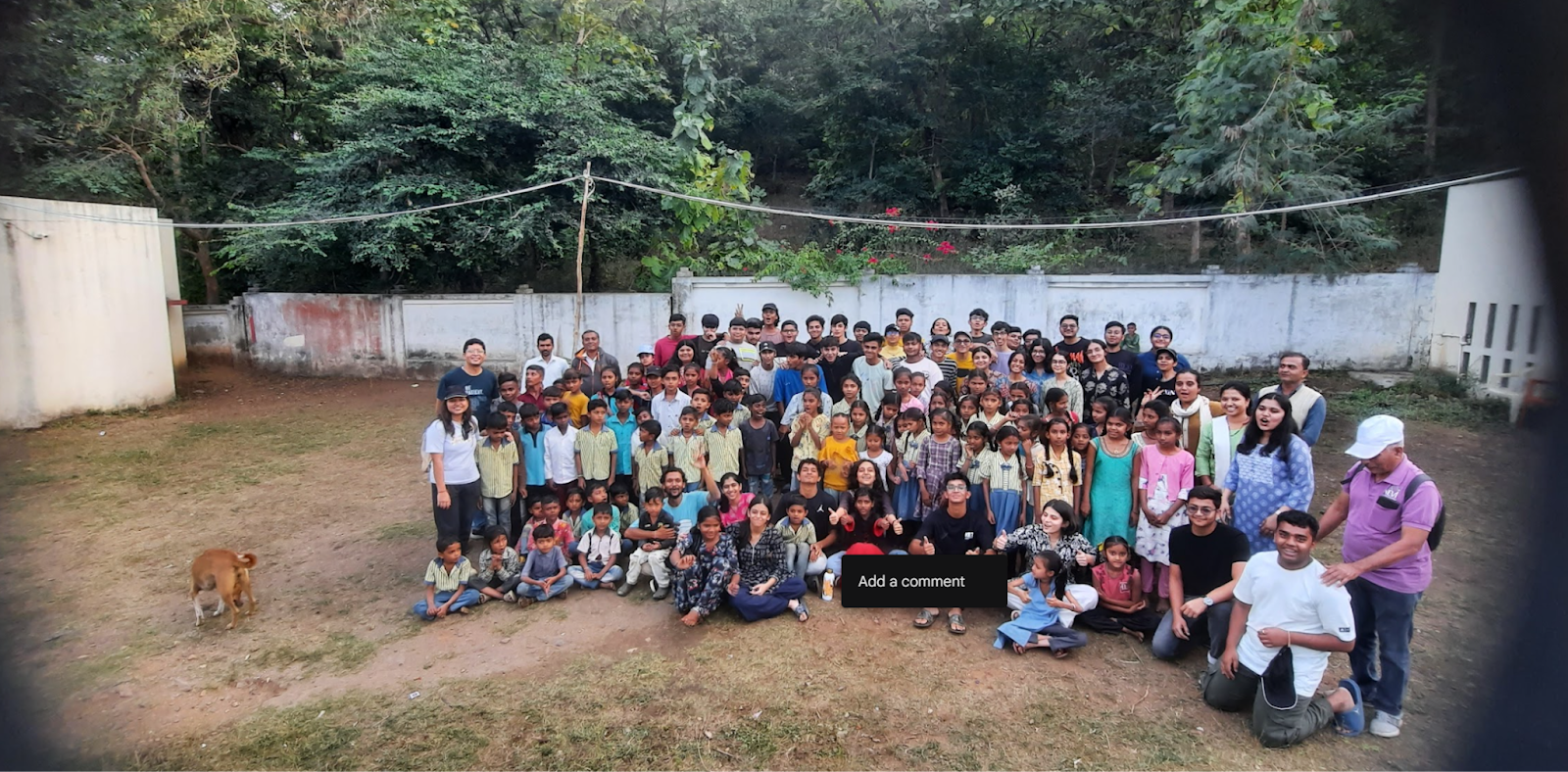
The rural immersion experience took us on a journey to Kada dam, situated near a village surrounded by wildlife. This excursion provided me with a profound opportunity to delve into the lives of rural communities by immersing myself in the villages adjacent to our campsite. Engaging in various activities such as visiting the villages, interacting with the locals, and gaining insight into their daily routines enabled me to gain a deeper understanding of rural life. Additionally, our visit to a village school not only allowed us to connect with the children through play but also provided a platform for meaningful conversations and interactions. Witnessing first hand activities like cow milking and learning traditional skills such as bamboo basket weaving enriched my experience further. Moreover, partaking in exhilarating activities like Zip Lining and river crossing added a layer of excitement to the trip.
Throughout this journey, I embodied various attributes of the learner profile. Demonstrating knowledge acquisition, I absorbed valuable lessons about rural life and wildlife conservation. Maintaining an open-minded approach, I embraced the diverse perspectives and lifestyles of the villagers. My inquisitive nature led me to inquire about their ways of life and their harmonious coexistence with wildlife.
LO1 – Identify own strengths and develop areas for growth
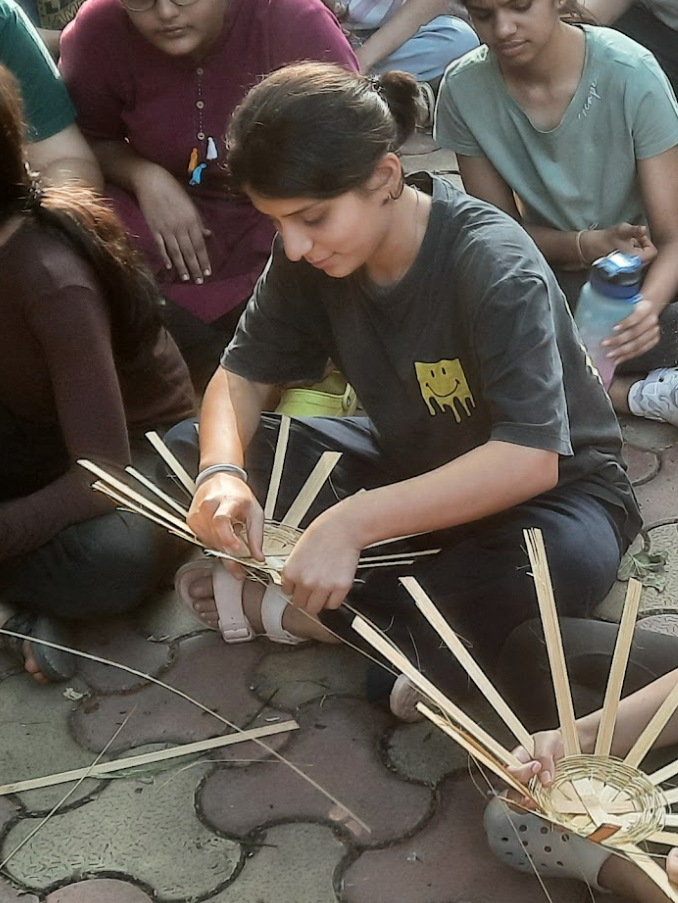
Reflecting on the Learning Outcomes (LO), this experience enabled me to identify and nurture my strengths while acknowledging areas for personal growth. For instance, through participating in cooking activities, I honed my culinary skills, gaining confidence in preparing certain dishes independently. Similarly, while crafting bamboo baskets, I discovered my ability to quickly grasp new skills, highlighting my adaptability and aptitude for learning.
LO2 – Demonstrate that challenges have been undertaken, developing new skills
Undertaking challenges such as overcoming my fear of heights during Ziplining and river crossing demonstrated my willingness to step out of my comfort zone in pursuit of personal development. As an introvert, initiating communication with the students at the village school was initially daunting, but with support from my peers, I gradually acclimated and actively engaged in activities.
LO3 – Initiate and plan a CAS experience
Initiating and planning activities during the rural immersion experience showcased my ability to organize and execute collaborative initiatives. From organizing games and cultural exchanges with the village children to fostering camaraderie through teamwork, I actively contributed to creating meaningful interactions and bridging cultural gaps.
LO4 – Show perseverance and commitment in CAS experience
Demonstrating perseverance and commitment, I embraced the discomfort of being away from familiar surroundings for seven days, gradually adapting to the campsite lifestyle and fully immersing myself in the experience. Working collaboratively within my group reinforced the importance of teamwork, enabling us to efficiently accomplish tasks and support each other’s weaknesses.
LO5 –Demonstrate skills and benefits of working collaboratively
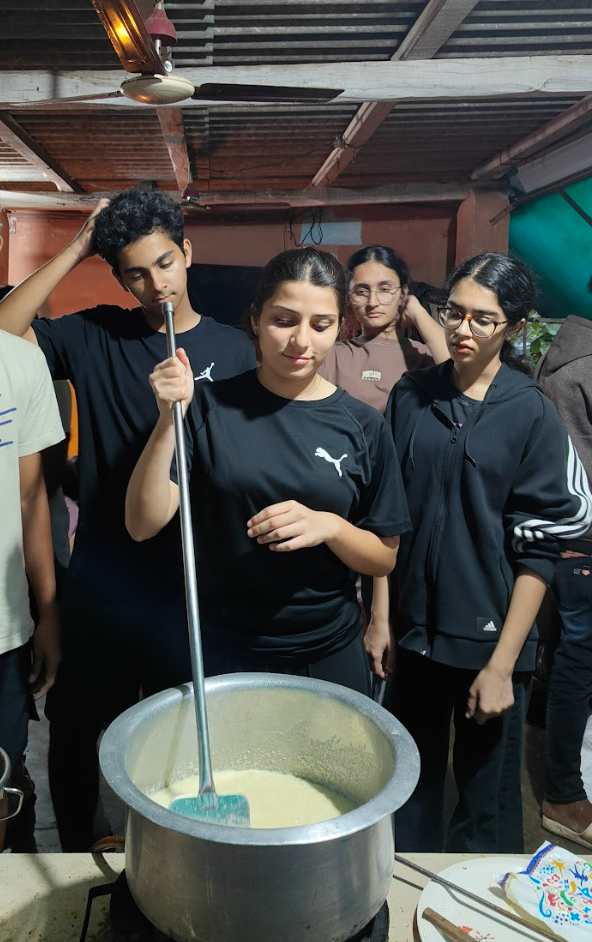
Throughout our journey, we were organized into groups of ten, with whom we undertook all our activities. On our initial visit to the village, we discussed with them regarding their life struggles in their own mother tongue which was gujarati. Moreover, during the basket weaving sessions, my peers readily provided guidance whenever I required assistance, aiding in the refinement of my skills. Collaboratively, we also prepared meals, with my group tasked with making sheera (a sweet indian dish). By dividing responsibilities, we successfully made a very delicious sheera which all my peers were quite impressed with. This collaborative effort underscored the effectiveness and efficiency inherent in teamwork. Furthermore, working within a team environment enabled us to leverage each other’s strengths, mitigating individual weaknesses and ensuring optimal performance.
LO6 – Engagement with issues of global significance
Engagement with global issues such as quality education, economic growth, and environmental sustainability underscored the broader significance of our actions. By actively participating in activities aimed at promoting education and economic empowerment in the village, we contributed to advancing Sustainable Development Goals (SDGs) and fostering positive change.
LO7 – Recognize and consider the ethics of choices and actions
Moreover, this experience prompted me to reflect on ethical considerations, particularly in appreciating the resilience and contentment displayed by the villagers despite facing numerous challenges. Their unwavering positivity served as a poignant reminder of the importance of gratitude and resilience in navigating life’s adversities.
In essence, the rural immersion experience served as a transformative journey, enriching me with valuable insights, fostering personal growth, and instilling a deeper appreciation for the interconnectedness of global communities. As I continue to reflect on the lessons learned and experiences gained, I am committed to embodying the principles of empathy, resilience, and collaborative action in my future endeavors.